
10 Best Movies to Learn English, by Level

Ten movies to learn English from A2 to C1, from Toy Story to The Social Network: what each one teaches and how to study a scene, not a whole film.
Movies are the most fun way to hear real English — and the easiest way to get lost. A film you love in your own language can turn into two hours of guessing when the actors speak fast, mumble or use slang you have never seen in a textbook.
The trick is to pick the right movie for your level and to study scenes, not whole films. This list goes from animated films with clear, simple dialogue to fast adult dramas. Every movie on it has scenes in the PlayLingo catalog, sorted by CEFR level.
What makes a movie good for learning English
A great movie is not always a great lesson. We looked for four things:
- Clear speech. Actors who finish their sentences and do not talk over each other all the time.
- Everyday language. Words and phrases you will actually use, not only space battles or medieval speeches.
- Scenes that stand alone. Two- or three-minute moments you can understand without watching the whole film.
- A story you already know. If you know the plot, your brain is free to notice the language.
At a glance
- A2: Toy Story, Finding Nemo, Zootopia
- B1: Forrest Gump, The Intern, Harry Potter, The Pursuit of Happyness
- B2: The Devil Wears Prada, The Shawshank Redemption
- C1: The Social Network
1. Toy Story (A2)
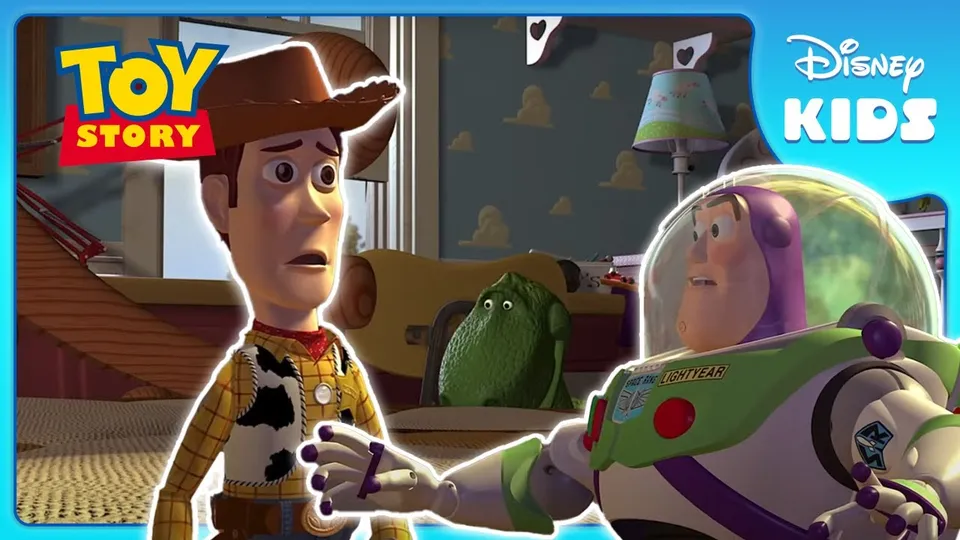
Scene to start with: “Woody Meets Buzz! | Toy Story | Disney Kids”
Toys talking to each other in short, clear sentences. The voices are expressive, the jokes are visual, and the story is simple enough that you always know what is going on — a perfect first movie in English.
How to study it: watch one scene with subtitles in both languages, then again with English subtitles only. Collect the short reactions — “Hey!”, “Come on!”, “You’re kidding me” — they are everywhere in real speech.
2. Finding Nemo (A2)
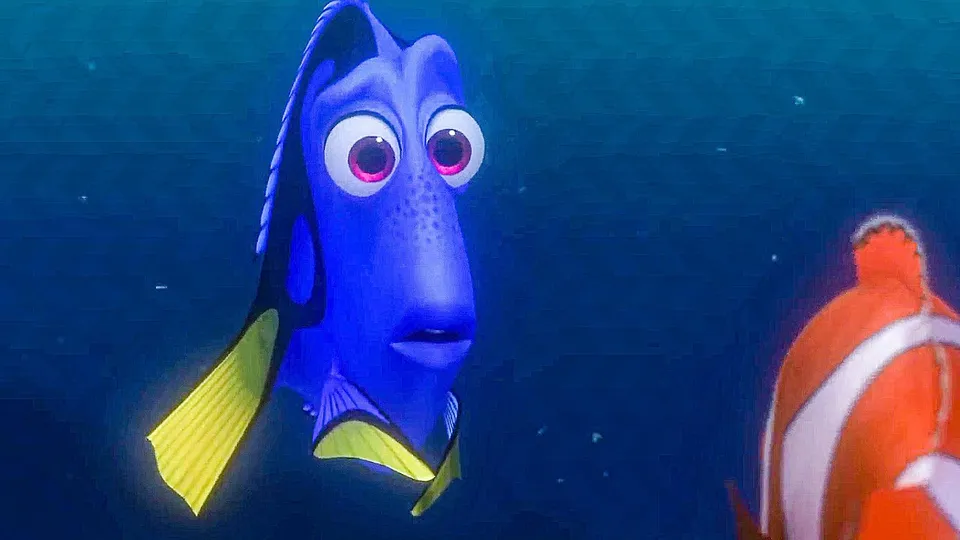
Scene to start with: ““I Suffer From Short Term Memory Loss” Scene - FINDING NEMO (2003)”
An ocean journey told in simple words, with Dory, a fish who keeps forgetting everything — which means the key lines get repeated. You also hear a few Australian accents once the story reaches Sydney.
How to study it: follow Dory: her lines are short, repetitive and easy to copy. Say them out loud after her.
3. Zootopia (A2)
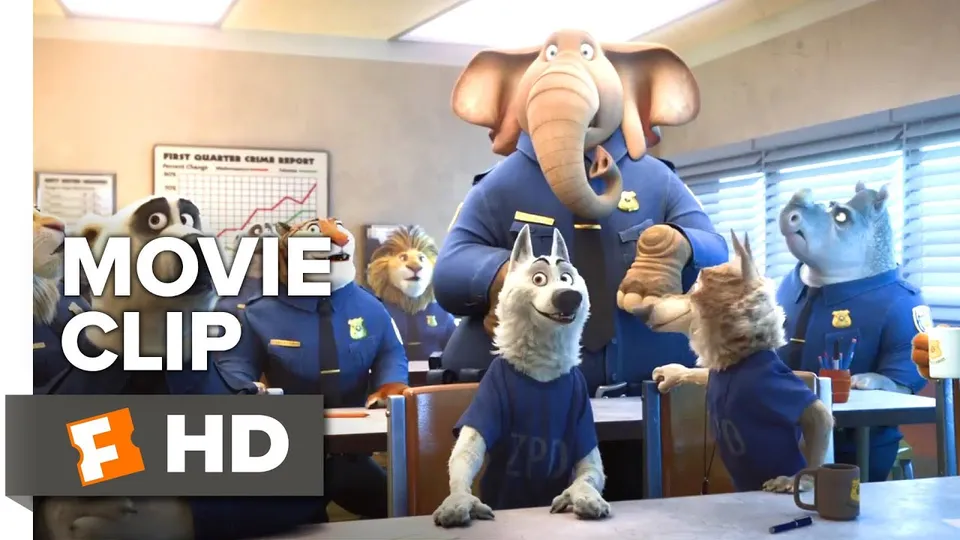
Scene to start with: “Zootopia Movie CLIP - Elephant in the Room (2016)”
An animal city with a rabbit police officer and a fox who lives on small scams. The speech is clear, the plot is easy to follow, and the dialogue is full of everyday situations: shops, offices, the street.
How to study it: pay attention to how characters ask for things and argue politely — the ice-cream shop scene is a small lesson in real customer English.
4. Forrest Gump (B1)

Scene to start with: “Forrest Gump (1994) - Life is a Box of Chocolates Scene”
One man tells his life story in short, simple sentences, slowly and with a Southern accent. The narration makes it one of the easiest adult films to follow, and many of its lines are famous.
How to study it: study the narration first. Forrest speaks slowly and repeats himself, which makes it perfect for listening practice and repeating after him.
5. The Intern (B1)

Scene to start with: “The Intern Movie CLIP - Don't Worry Becky (2015)”
A 70-year-old retiree joins a fashion startup. It is full of polite office English: introductions, small talk, asking for help, giving feedback — useful for anyone who works in English.
How to study it: write down the polite phrases people use at work — how they offer help, disagree and apologise. You can use them the next day.
6. Harry Potter (B1)
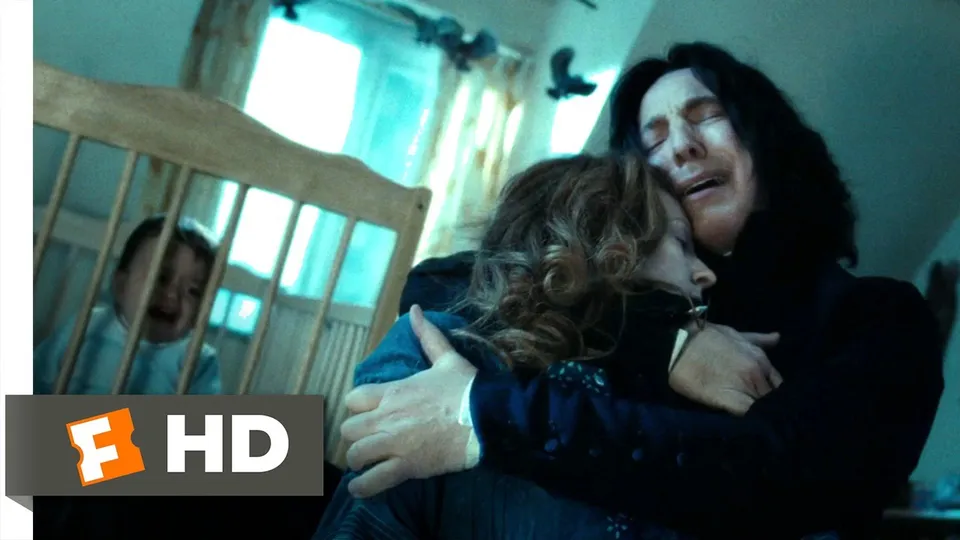
Scene to start with: “Harry Potter and the Deathly Hallows: Part 2 - Snape's Memories”
Wizard school scenes with British accents and story-driven dialogue. Most learners already know the plot, which makes the English much easier to follow — even with the accents.
How to study it: choose scenes between two or three characters rather than big battle scenes. Compare how British characters pronounce words you know from American English.
7. The Pursuit of Happyness (B1)
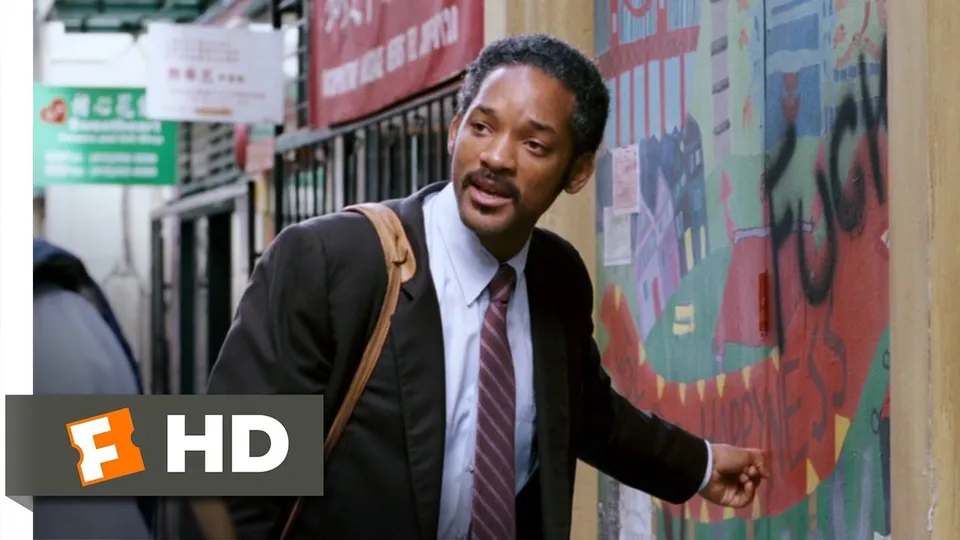
Scene to start with: “The Pursuit of Happyness Movie CLIP - No Y in Happiness (2006)”
A father and his son trying to get by in San Francisco. The speech is plain and everyday, and the famous job-interview scene is worth watching several times.
How to study it: focus on the conversations between father and son — short, emotional and natural. They are a good model for everyday family English.
8. The Devil Wears Prada (B2)
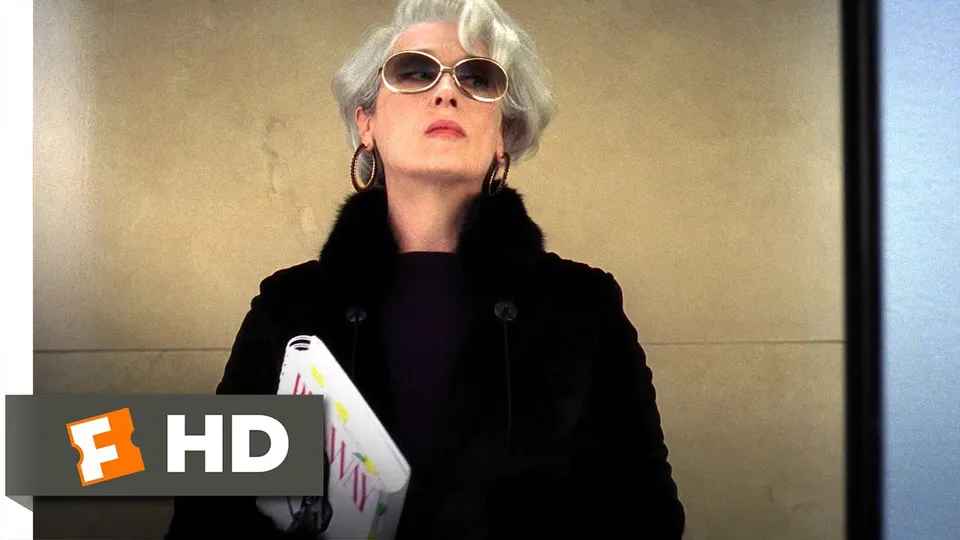
Scene to start with: “The Devil Wears Prada Movie CLIP - Gird Your Loins! (2006)”
A young assistant at a top fashion magazine and her terrifying boss. The dialogue is fast and sharp, full of office English and very quotable lines. Miranda speaks quietly, so you have to listen closely.
How to study it: use the famous monologues for intensive listening: play a line, repeat it, check the subtitle. They are short, dense and full of useful vocabulary.
9. The Shawshank Redemption (B2)
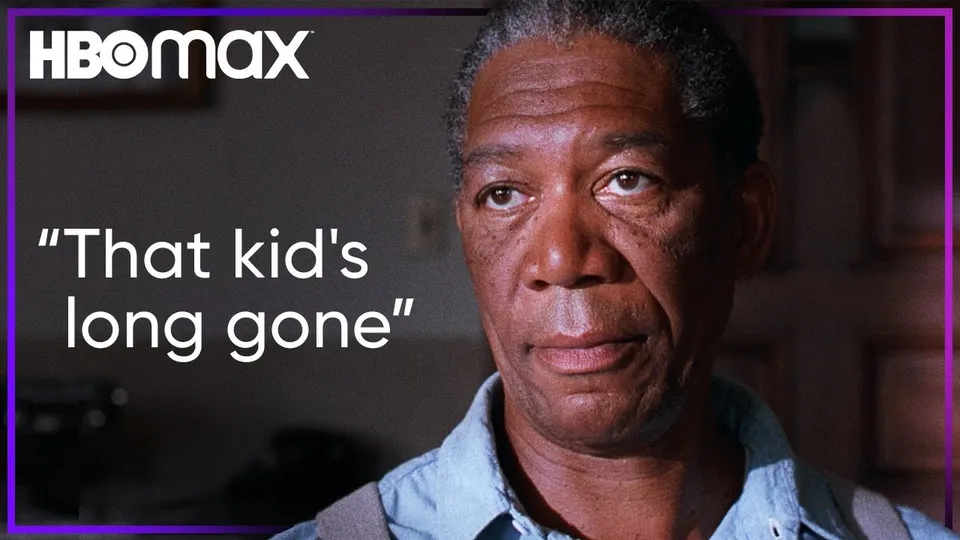
Scene to start with: “The Shawshank Redemption | Red is Released From Prison After 40 Years”
A prison drama narrated by Morgan Freeman in a calm, clear voice. The narration is slow and beautifully written — some of the best listening material in any film.
How to study it: listen to Red’s narration without subtitles first, then check. The pace is slow enough to catch almost every word.
10. The Social Network (C1)
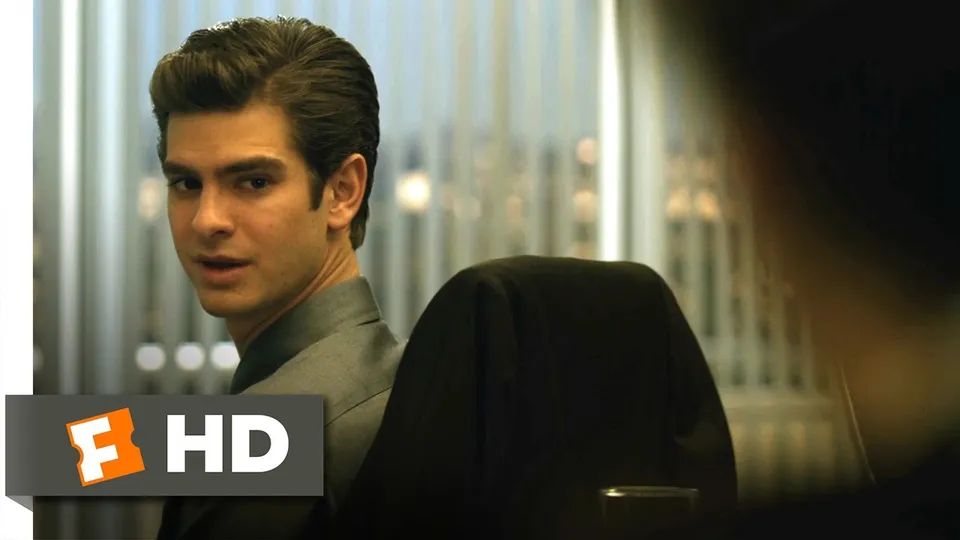
Scene to start with: “The Social Network (2010) - I Was Your Only Friend Scene”
Arguments about a startup at full speed. Aaron Sorkin’s dialogue is famous for being fast and dense — the opening scene alone is a test of advanced listening.
How to study it: do not try to follow the whole film. Take one two-minute scene, study it line by line with subtitles, and come back to it until you understand it without them.
How to learn English from a movie scene
Short scenes work better than whole films. Try this with any scene from the list:
- Watch the scene for the story. Use bilingual subtitles so you understand everything the first time.
- Watch again with English only. Check the translation only when a line stops you.
- Look up what you do not know. Tap unknown words and phrases, and save the ones worth remembering.
- Repeat the best lines out loud. Copy the rhythm and the emotion, not only the words.
- Come back in a few days. Rewatch without subtitles and notice how much more you catch.
Want more ideas? See our list of YouTube channels for shadowing English and the guide to learning English with YouTube.
Watch these scenes in PlayLingo
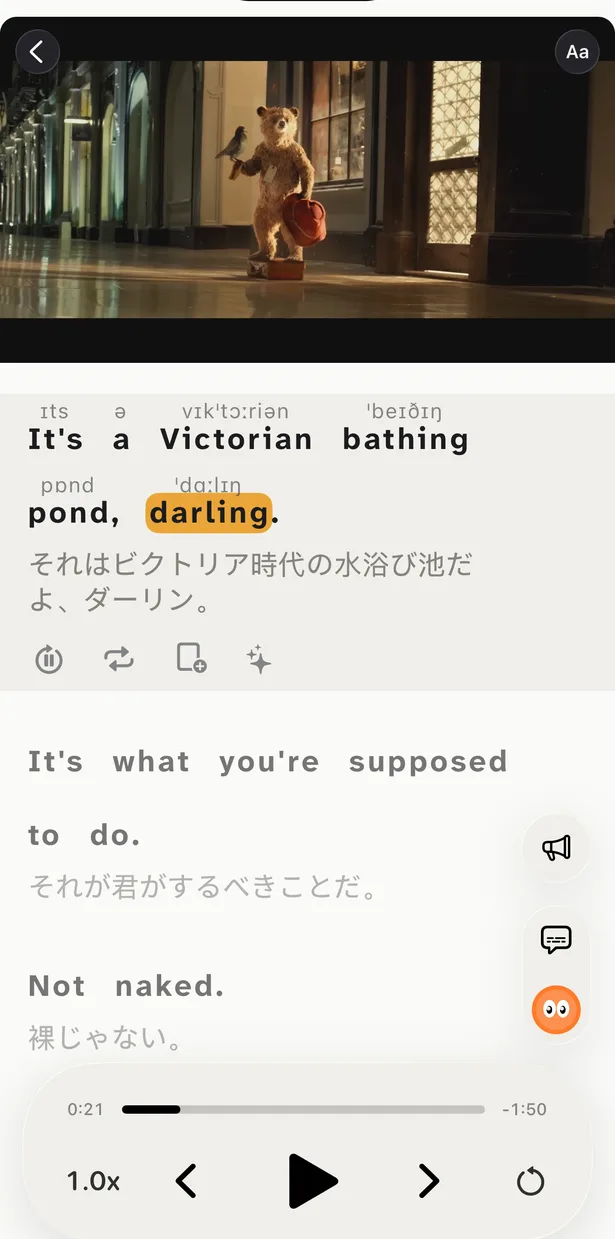
PlayLingo has a catalog of famous movie scenes sorted by level, including every film on this list. Each line comes with the original and a translation into your language, you can tap any word for an explanation and save it for review with the moment from the film. It is free to start on iPhone, iPad and Mac.
Common questions
What is the best movie to learn English for beginners?
Start with animated films like Toy Story or Finding Nemo. The speech is clear, the sentences are short and the pictures help you follow the story.
Should I watch movies with subtitles?
Yes — at first with subtitles in both languages, then in English only. The goal is to move to English subtitles and then to none, step by step.
Is it better to watch the whole movie or scenes?
For learning, scenes. A two-minute scene you study carefully teaches more than a whole film you half understand.
Read also
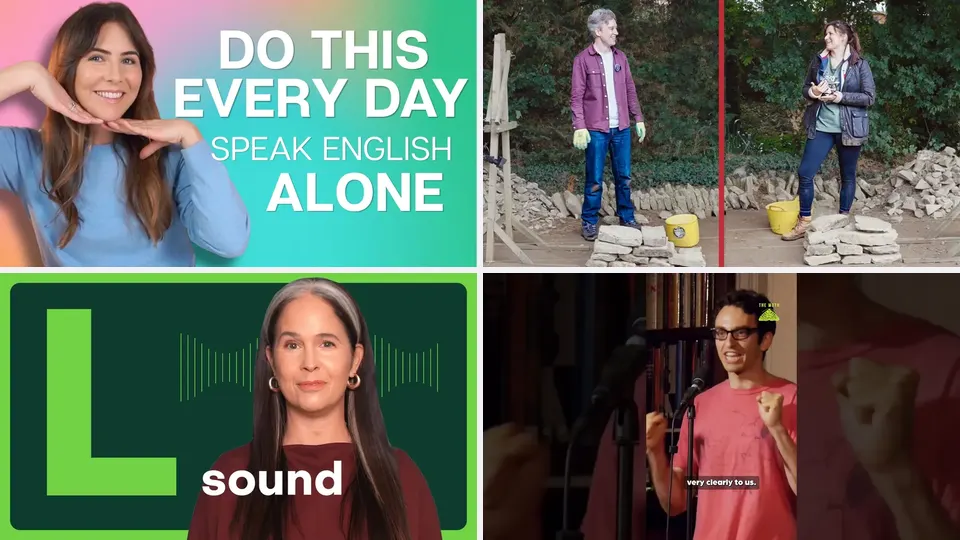 7 Best YouTube Channels for Shadowing EnglishSeven YouTube channels that work for shadowing English, from A1 to C1: clear speakers, steady pace and real accents, plus a simple routine to shadow them.
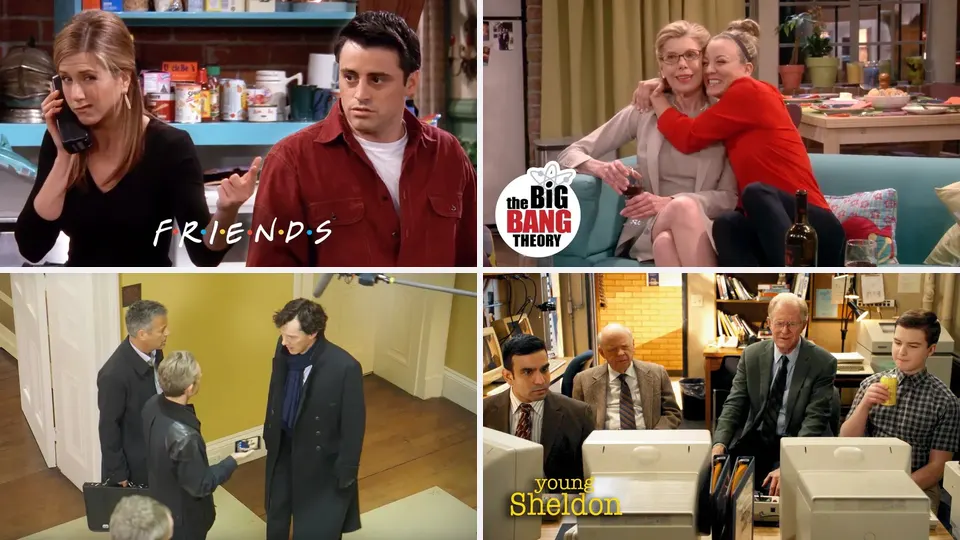 5 Best TV Series to Learn EnglishFive TV series to learn English from B1 to C1 — Friends, Young Sheldon, The Big Bang Theory, Suits and Sherlock — and how to learn from short scenes.
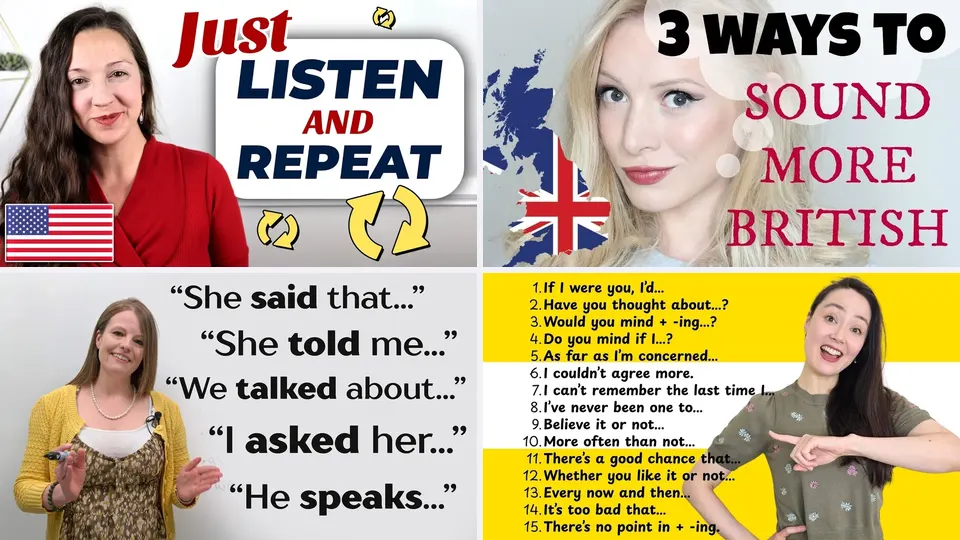 10 Best English Teachers on YouTubeTen English teachers on YouTube for speaking, pronunciation, grammar and British or American accents — and how to pick the right ones for you.
 Top 10 YouTube Channels for Learning English 2026Top 10 YouTube channels for learning English in 2026, with picks for beginners, listening practice, slang, pronunciation, and real fluency.