
8 English Audiobook Channels on YouTube, by Level

Eight YouTube channels where English books and stories are read aloud, most with the text on screen, sorted from A1 to C1, plus a way to study with them.
Listening to a book while you follow the text is one of the oldest tricks in language learning, and it still works. Your eyes catch the words your ears miss. Your ears learn how a word you only knew from print actually sounds. And a story pulls you forward in a way a textbook dialogue never does: you keep going because you want to know what happens next.
YouTube is full of this. The trouble is that a search for “English audiobook” brings up thousands of channels, and many of them reupload commercial books or pad a two-minute story with an hour of filler. So we went through them one by one in October 2026. For every channel below we opened the videos and checked three things: whether you can see the text, what level the English really is, and who is reading.
At a glance
- A1-A2: StorylineOnline
- A2: Slow English with Tommy, Emma Daily English
- A2-B1: The Fable Cottage
- B1-B2: Lovely English Stories
- B2-C1: Story Classics
- C1: Chillbooks, Magpie Audio
1. StorylineOnline: picture books read by actors (A1-A2)
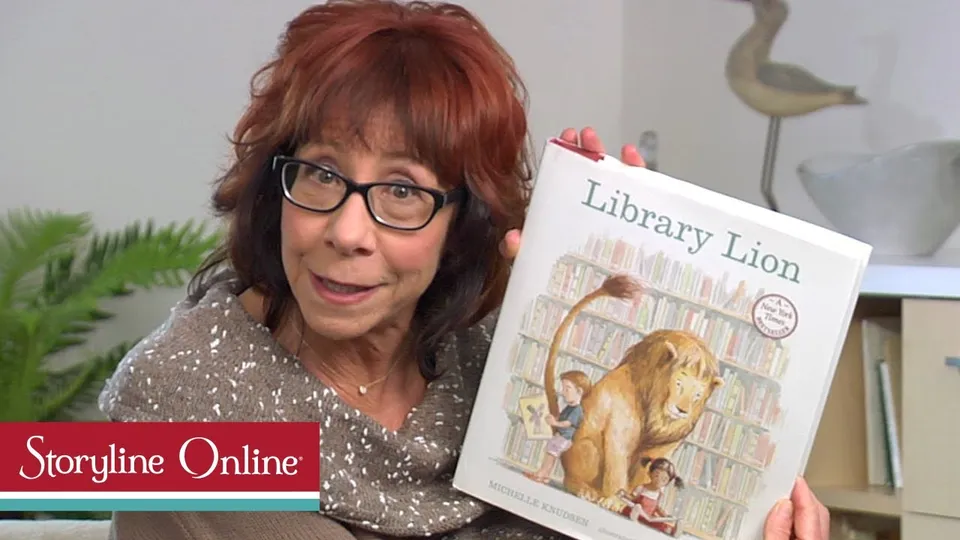
Start with: “Library Lion” read by Mindy Sterling · StorylineOnline on YouTube
The SAG-AFTRA Foundation runs this channel, and the idea is simple: a well-known actor sits down with a children’s picture book and reads it to you, page by page, with the illustrations on screen. The books are for kids, but that is exactly why they work at A1. The sentences are short, the vocabulary is concrete, and the pictures explain whatever the words don’t. Most videos run between 6 and 15 minutes.
The text of the book is not always visible, so turn on the English subtitles. The channel adds its own. “Library Lion” has been watched more than 13 million times, and it is a good first one: a lion starts coming to the library and has to learn the rules.
2. Slow English with Tommy: everyday stories, read slowly (A2)
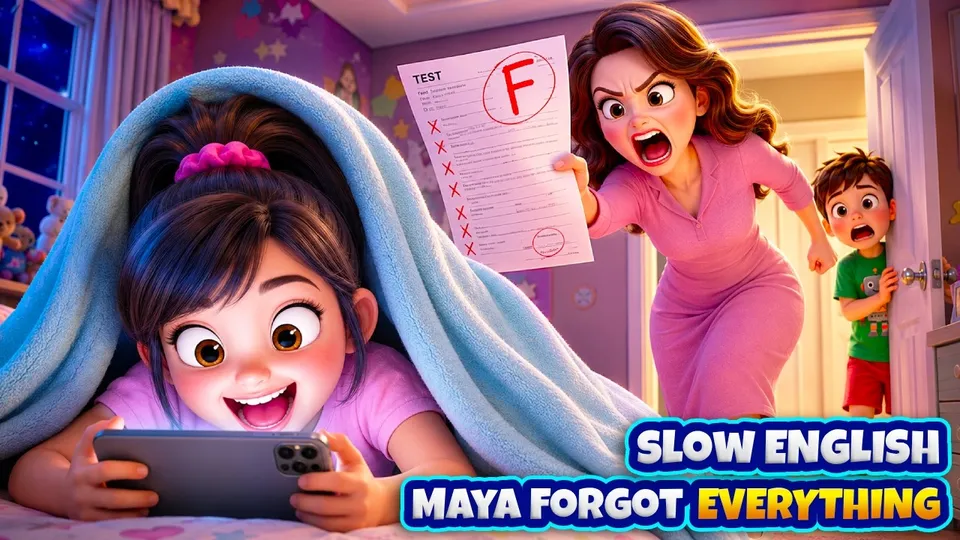
Start with: “Maya Got an F and Hid It From Mom… Until Tommy Found Out!” · Slow English with Tommy on YouTube
Half-hour animated stories about Tommy and Maya: a burned cake, a bad grade hidden from Mom, a race Tommy could not finish. The narrator reads slowly and leaves a breath between sentences, and every line appears on screen as it is spoken. The plots are a little dramatic on purpose. It keeps you watching to the end, which matters more at this level than literary quality.
Thirty minutes is long for an A2 learner. Watch one story across two or three evenings instead of forcing it in one go.
3. Emma Daily English: family life in easy English (A2)
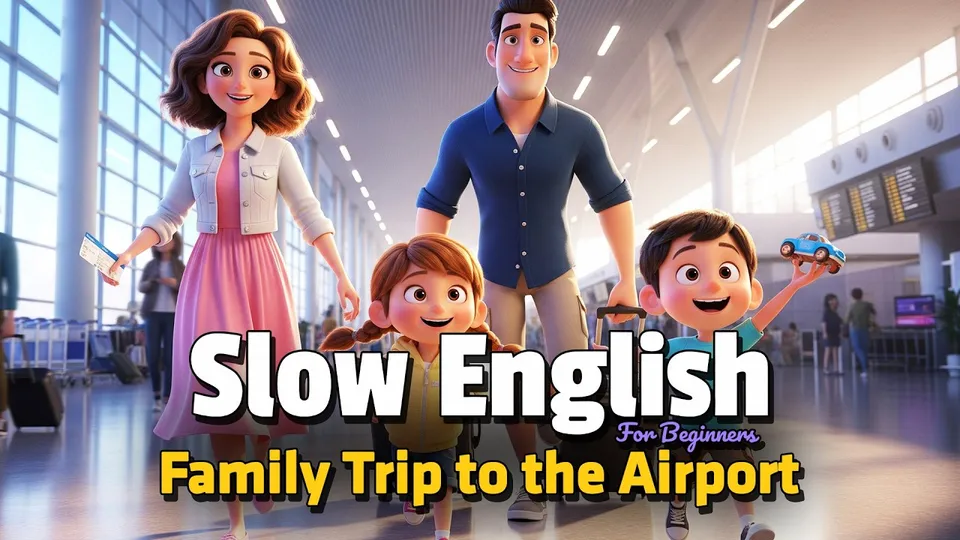
Start with: “Family Trip to the Airport” · Emma Daily English on YouTube
Twenty-minute stories about family life: a trip to the airport, a birthday present that turns out to belong to someone else, two mothers and an old argument. Each video is marked A2, and in our experience the label is honest. The text runs along the bottom of the screen as the narrator reads, so you never lose your place.
The airport story has more than 5 million views. Start there: everyone knows what happens at an airport, so you can follow the plot even when a sentence gets away from you.
4. The Fable Cottage: fairy tales and Oscar Wilde in two accents (A2-B1)
![The Fable Cottage on YouTube: “The Happy Prince [AUDIOBOOK] - UK English accent”](/blog/audiobook-channels/fable-cottage.webp)
Start with: “The Happy Prince [AUDIOBOOK] - UK English accent” · The Fable Cottage on YouTube
A small studio that retells classic fables and fairy tales for language learners: Snow White, Rumpelstiltskin, The Fox and the Crow. Their best feature is easy to miss. Many stories come in two versions, one read in a British accent and one in an American accent, so you can pick the one you are training your ear for, or listen to both and hear the difference.
The short fables take only a few minutes each. When they feel easy, move on to their full reading of Oscar Wilde’s “The Happy Prince”, about 22 minutes in the UK version and the US version. It is a real piece of literature, written simply enough for B1. The picture on screen stays still during the audiobook, so you will need subtitles to read along.
5. Lovely English Stories: life in Britain, labelled by level (B1-B2)
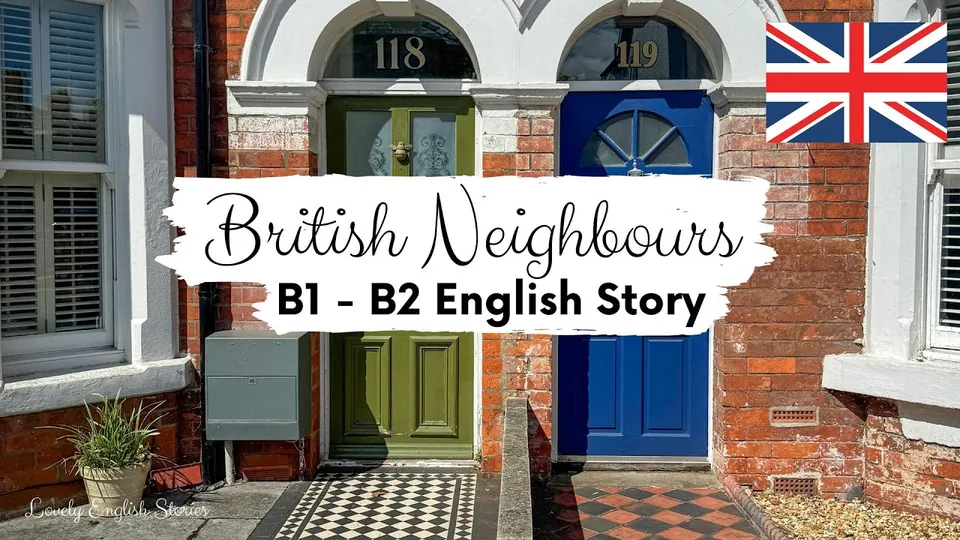
Start with: “British Neighbours” · Lovely English Stories on YouTube
Ten to fifteen minute stories about ordinary British life: neighbours, the first autumn days, trying to get on the property ladder, a winter routine. They are told in a calm British voice over photos of real streets and houses, with each sentence printed on screen in large type. Every title carries a level, from B1 up to C1-C2, so when the B1 stories start to feel easy you know where to go next.
This is also a quiet way to pick up culture along with the language. You learn what “the property ladder” means at the same time as you learn how British people talk about it.
6. Story Classics: whole novels with the page on screen (B2-C1)
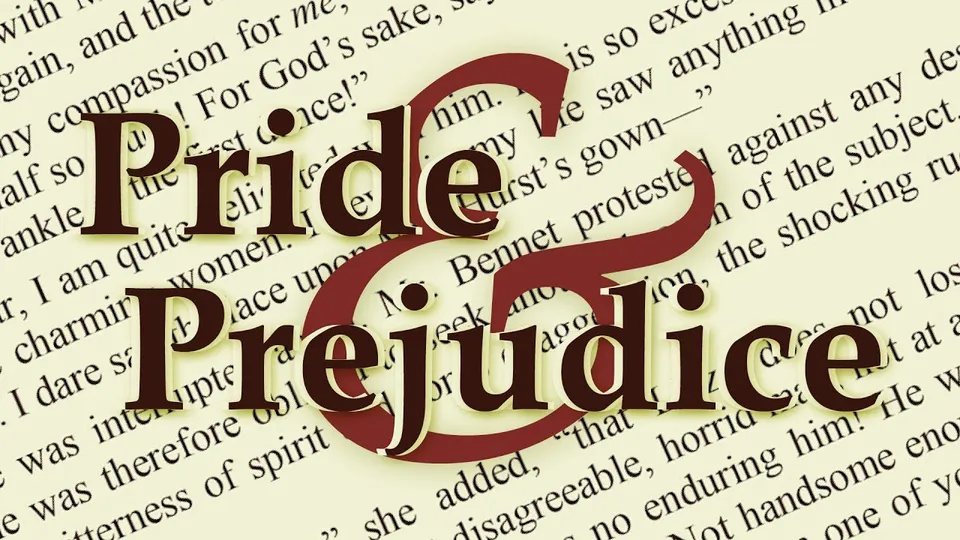
Start with: “Pride & Prejudice by Jane Austen Full Audiobook” · Story Classics on YouTube
This is the closest thing on YouTube to an audiobook and an e-book in one window. The channel takes complete classic novels, mostly Jane Austen and Charlotte Brontë, and shows the full page of text while a human narrator reads it. “Pride & Prejudice”, for example, uses a recording by Karen Savage from LibriVox, the volunteer project that records public domain books, and runs for ten and a half hours.
Austen is not easy English. The sentences are long and the vocabulary is two hundred years old. Don’t start here unless you are comfortable at B2. But if you are, there is nothing better for reading stamina, and the chapter timestamps in each description let you do one chapter a day.
7. Chillbooks: Sherlock Holmes and the classics, read by people (C1)
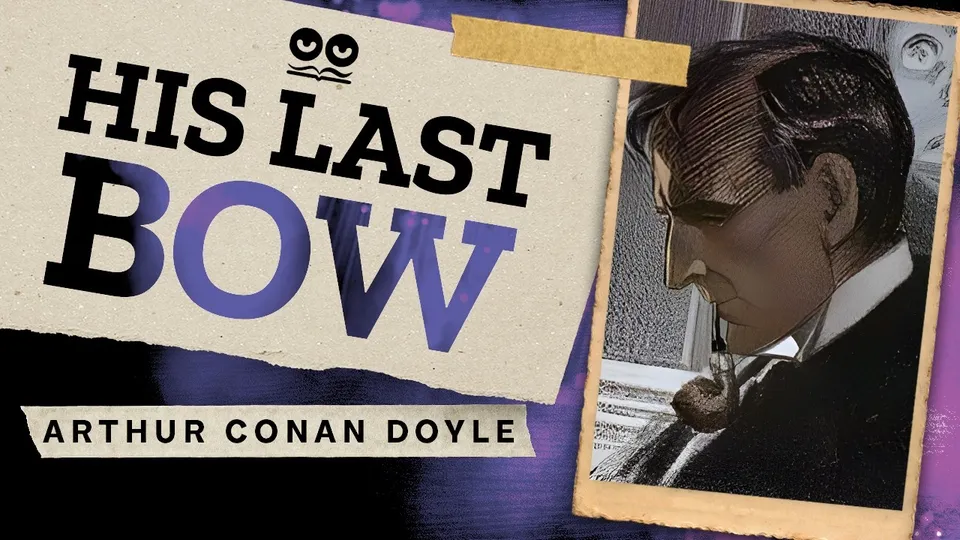
Start with: “His Last Bow by Arthur Conan Doyle” · Chillbooks on YouTube
Chillbooks makes the same kind of video as Story Classics, but with a different shelf: Sherlock Holmes, Plato and other classics. Each page sits next to a period illustration, and the channel says plainly that every book is human-read. In “His Last Bow” the reader is David Clarke. The channel also adds proper English subtitles of its own.
The Sherlock Holmes stories are the best entry point. Each one is self-contained and short enough to finish in an evening or two.
8. Magpie Audio: classic mystery and ghost stories, for the ear (C1)
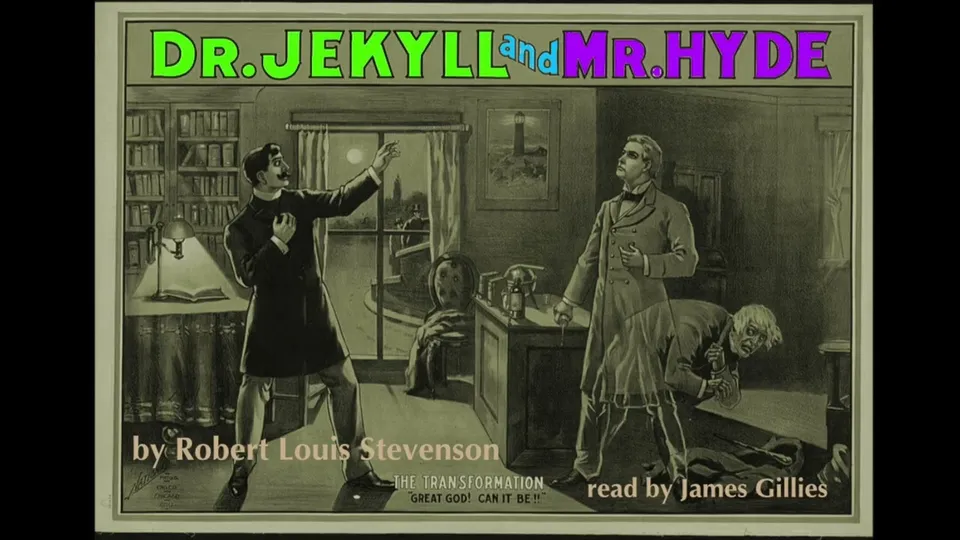
Start with: “The Strange Case of Dr Jekyll and Mr Hyde” · Magpie Audio on YouTube
The one channel on this list without text on screen, and it is here on purpose. Magpie Audio publishes full readings of Sherlock Holmes, Robert Louis Stevenson and old ghost stories. “Dr Jekyll and Mr Hyde” is read by James Gillies and lasts about two and three quarter hours. The picture on screen is a single illustration.
That makes it the test at the end of the road. When you can follow a chapter of Stevenson by ear, with no page to lean on, your listening is advanced. Until then, use subtitles and treat it like the channels above.
How to study with an audiobook
Pressing play and letting a story run in the background feels productive, but most of it goes past you. A little structure changes that. Here is a routine that takes 20 to 30 minutes:
- Choose the right level. You should understand most of the story on the first listen, maybe not every word. If you are lost after two minutes, go one level down. Nothing slows learners more than material that is too hard.
- First pass: listen and read. Follow the text with your eyes while the narrator reads. Don’t stop for every unknown word. Get the story.
- Second pass: the hard lines. Go back to the sentences you could not catch. Read them, listen again, and look up only the words that block the meaning.
- Third pass: ears only. Hide the text and listen to the same part again. You will be surprised how much clearer it sounds now.
- Keep a few phrases. Not twenty words a day. Three or four phrases you actually like, together with the sentence they came from.
The same part of a story heard three times teaches you more than three new chapters heard once. Repetition is what turns “I understood it while reading” into “I understand it when I hear it”.
Where to find more free audiobooks
Everything on this list is free to watch, and the classics are free in a second sense too: books by Austen, Dickens, Conan Doyle or Wilde are in the public domain, so anyone can record and share them. If you run out of YouTube videos, LibriVox has tens of thousands of volunteer recordings of public domain books, and Project Gutenberg and Standard Ebooks have the matching texts. Pair the audio from one with the text from the other and you have the same setup as Story Classics.
A word of caution about the rest of YouTube. Some story channels reupload graded readers from big publishers, and those videos can disappear overnight when the publisher complains. The channels on this list make their own material or read books that are free for everyone.
Read along in PlayLingo
Every channel above works in PlayLingo, and so does any other YouTube video you paste in. The app splits the narration into lines and shows each one under the video with a translation into your language. Tap a word or a phrase you don’t know and Lingo explains what it means in that sentence, which helps a lot with Austen’s “in want of a wife” or Conan Doyle’s Victorian slang. Save a phrase and it comes back for review later, with the moment from the story where you heard it.
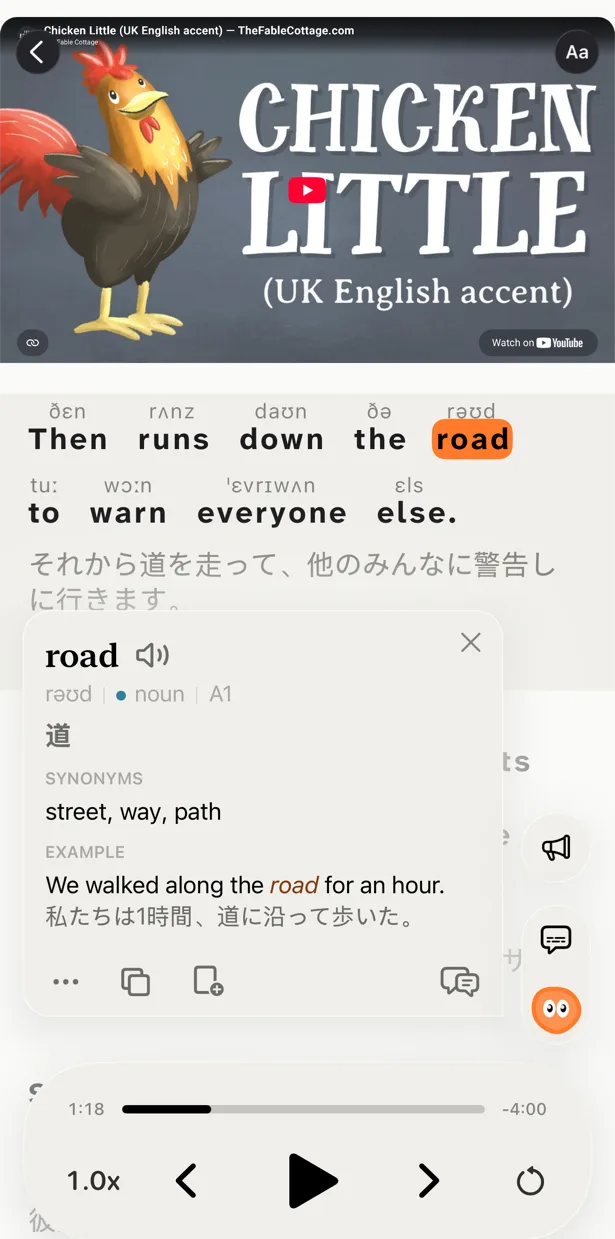
For the third pass of the routine, switch to Listen mode. The text disappears, the video pauses after each line, and you can reveal a sentence word by word if you get stuck. You can also slow the reader down or loop a single line. PlayLingo is free to start, with a daily portion of practice.
Common questions
Can you learn English just by listening to audiobooks?
Listening alone builds your ear and your sense of how sentences flow, but it is slow if you can’t see the words. Reading along at the same time is much faster, especially below B2, because you connect the sound of a word to its spelling. Once your listening is strong, audio on its own is excellent practice.
Is it legal to listen to audiobooks on YouTube?
Listening is not the problem; uploading is. Classic books in the public domain, like everything on Story Classics, Chillbooks and Magpie Audio, can be shared freely. Recent novels and commercial graded readers usually cannot, so channels that post them tend to be taken down.
What level do I need to start?
Around A1-A2. Below that, even a children’s picture book will be too much, and a beginner course will serve you better. From A2 on, short stories with text on screen are one of the most enjoyable ways to grow.
Should I read along or just listen?
Both, in that order. Read along on the first pass to understand the story, then listen to the same part without the text. Doing it the other way around, ears first, makes a good test once you reach B2.
Read also
 7 Best YouTube Channels for Shadowing EnglishSeven YouTube channels that work for shadowing English, from A1 to C1: clear speakers, steady pace and real accents, plus a simple routine to shadow them.
 10 Best Movies to Learn English, by LevelTen movies to learn English from A2 to C1, from Toy Story to The Social Network: what each one teaches and how to study a scene, not a whole film.
 5 Best TV Series to Learn EnglishFive TV series to learn English from B1 to C1 — Friends, Young Sheldon, The Big Bang Theory, Suits and Sherlock — and how to learn from short scenes.
 10 Best English Teachers on YouTubeTen English teachers on YouTube for speaking, pronunciation, grammar and British or American accents — and how to pick the right ones for you.
 Top 10 YouTube Channels for Learning English 2026Top 10 YouTube channels for learning English in 2026, with picks for beginners, listening practice, slang, pronunciation, and real fluency.