
7 Best YouTube Channels for Shadowing English

Seven YouTube channels that work for shadowing English, from A1 to C1: clear speakers, steady pace and real accents, plus a simple routine to shadow them.
Shadowing is simple: you play a line, then say it out loud right after the speaker, copying the rhythm, the stress and the melody. The hard part is not the technique. It is finding videos worth copying. Most of YouTube is too fast, too noisy, or full of people talking over each other — and after ten minutes of pausing and rewinding you give up.
So this list is not about the most popular English channels. It is about channels that are good to repeat after. We picked them from the channels learners already use in the PlayLingo catalog, and sorted them from beginner to advanced, so you can start where you are and move up.
What makes a channel good for shadowing
A channel you enjoy watching is not always a channel you can shadow. Before the list, here is what we looked for:
- One clear main speaker. Shadowing two or three people who interrupt each other is frustrating. One voice gives you one model to copy.
- A steady pace. Natural, not artificially slow — but with sentences that end, not a stream of speech with no breath.
- Clean audio. No loud music under the voice, no wind in the microphone.
- Short, complete sentences. Lines you can hold in your head for three seconds and say back.
- An accent you actually want. American, British, Australian or Canadian — pick one model and stay with it for a few weeks.
At a glance
- A1: Slow English with Tommy
- A2–B1: Emma (mmmEnglish), Bob the Canadian
- B1: Rachel’s English
- B2: Tom Scott, The Moth
- C1: Lex Fridman
1. Slow English with Tommy — for absolute beginners (A1)

Start with: “Tommy Couldn’t Finish the Race… Then He Came Back a Month Later!” · Slow English with Tommy on YouTube
Half-hour animated stories about a boy called Tommy, narrated very slowly in simple words, with the text on screen. It is made for learners, and it sounds like it — which is exactly what you need in your first weeks. The narrator leaves space between sentences, so you have time to repeat without touching the pause button.
How to shadow it: start by repeating with the text in front of you. Once a story feels easy, play it again and repeat while looking away from the screen. At this level the goal is confidence with sounds, not speed.
2. Emma from mmmEnglish — pronunciation you repeat out loud (A2–B1)
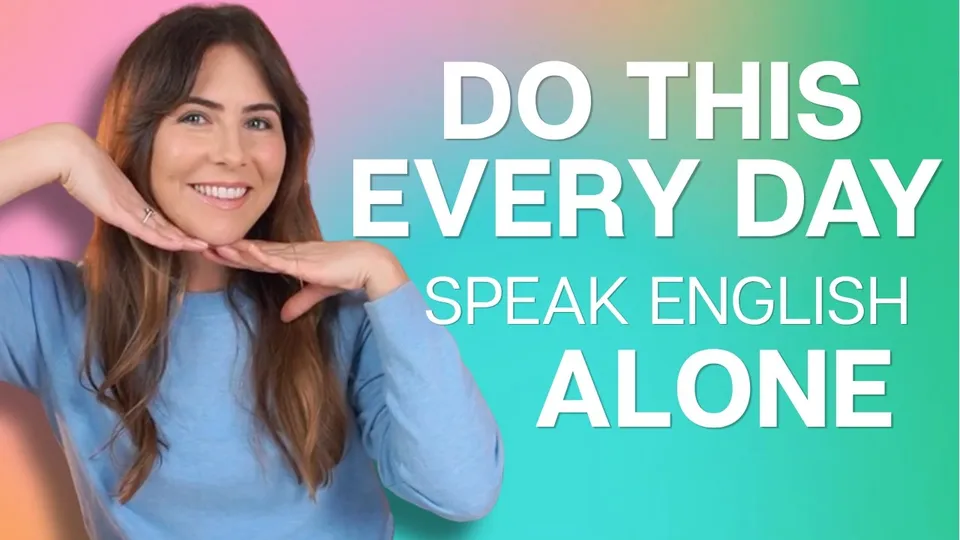
Start with: “Speaking English On Your Own | Shadow Me Every Day” · mmmEnglish on YouTube
Emma teaches Australian English with a strong focus on speaking, and she has a whole series of “Shadow Me” videos made for exactly this: she says a line, leaves a pause, and you repeat. The pauses are already there, and the phrases are the everyday ones you will use.
How to shadow it: pick a lesson on one sound or one set of phrases and repeat each line three times: first slowly, then at her speed, then with her exact intonation. Short sessions every day beat one long one.
3. Bob the Canadian — calm, clear everyday English (A2–B1)
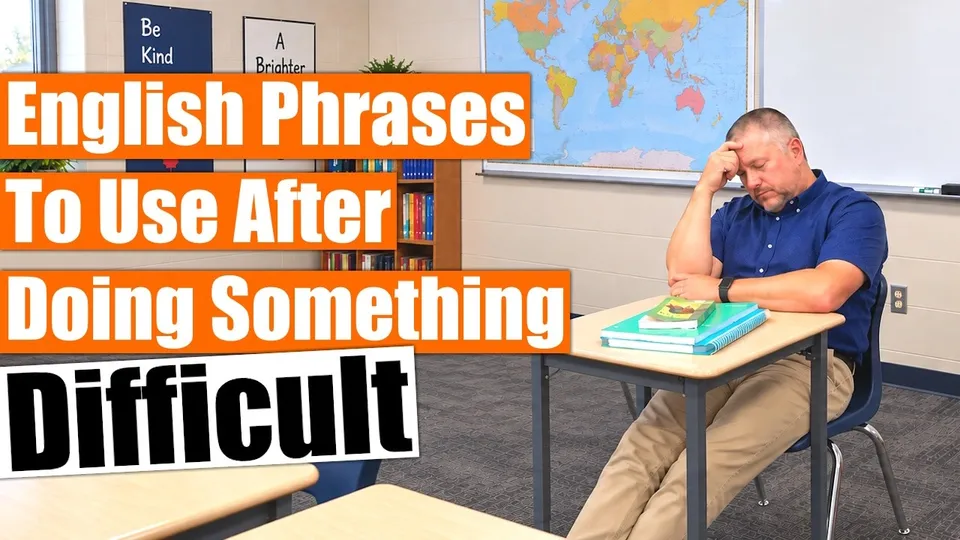
Start with: “I Survived! 8 English Phrases to Use After Difficult Situations” · Learn English with Bob the Canadian on YouTube
Bob films friendly lessons outdoors around his town in Canada, naming everyday things in real places. He speaks slowly and clearly without sounding like a robot, and his Canadian accent is close to standard North American English — an easy, neutral model to copy.
How to shadow it: Bob’s videos are made of short, self-contained sentences. Shadow a whole video line by line once, then choose the five phrases you liked most and say them until they come out without thinking.
4. Rachel’s English — American pronunciation, sound by sound (B1)
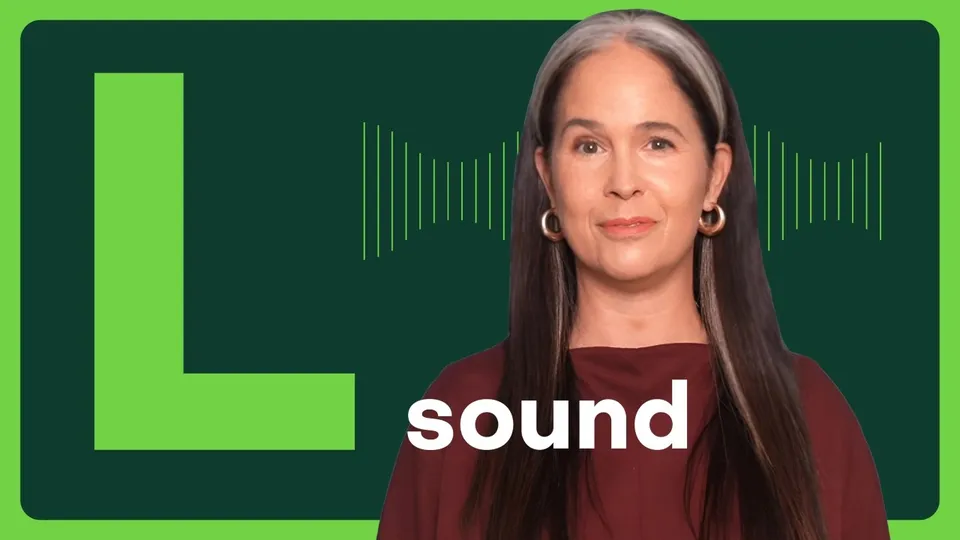
Start with: “The Hardest Sound in English…Made EASY!” · Rachel’s English on YouTube
If your goal is an American accent, this is the channel to study. Rachel breaks down how English is really pronounced: reductions, linking, stress, the way sounds change in fast speech. Every video is captioned, so you always see what you are copying.
How to shadow it: use her breakdowns as the “why”, then shadow the example sentences many times. Record yourself and compare — the difference between how you think you sound and how you actually sound is where the progress is.
5. Tom Scott — crisp British English (B2)
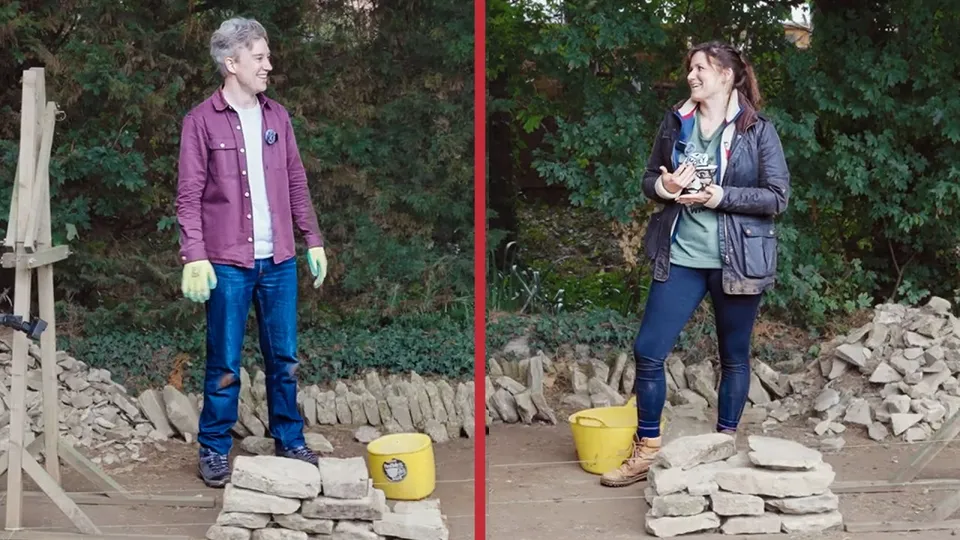
Start with: “Turns out building dry stone walls is difficult” · Tom Scott on YouTube
Tom Scott explains strange places and ideas on location, from Bletchley Park to dry-stone walls, usually in a single take and in quick, precise Received Pronunciation. A new video comes out most weeks, and the archive goes back more than a decade — one of the best collections of clear British English on YouTube.
How to shadow it: Tom is fast. Slow the video down to 0.75× for the first pass and shadow short chunks — half a sentence at a time if needed. When you can keep up, go back to normal speed.
6. The Moth — real people telling true stories (B2)

Start with: “Gianmarco Soresi learns he isn’t a cat person” · The Moth on YouTube
The Moth records people telling true stories live on stage, with no script. The speakers are not actors or teachers — they are ordinary people with different accents, pauses, jokes and emotions. That is exactly what makes it valuable: this is how English sounds when someone is really talking to you.
How to shadow it: do not try to shadow a whole story. Choose a two-minute moment you like and work on it for a week. Copy not only the words, but the hesitations, the laughter and the emphasis. That is what makes speech sound natural.
7. Lex Fridman — slow, precise long-form English (C1)

Start with: “Biggest Mysteries in Physics – Don Lincoln | Lex Fridman Podcast” · Lex Fridman on YouTube
Lex Fridman’s long conversations with scientists, engineers and founders cover AI, physics and what makes us human. It is advanced material, but Lex himself speaks in an unhurried, precise way, which makes his side of the conversation surprisingly good for shadowing complex sentences and academic vocabulary.
How to shadow it: shadow Lex’s questions first — they are long, well-built sentences. Then try the guests, who speak at more natural, varied speeds.
A simple routine for shadowing any YouTube video
You do not need a special course. Fifteen minutes a day with one of the channels above is enough:
- Watch once for meaning. Use subtitles in both languages if you need them — bilingual subtitles let you understand the scene without stopping.
- Listen line by line. Pause after each sentence and listen again until you can hear every word.
- Shadow with the text. Repeat each line out loud right after the speaker, reading the subtitle.
- Shadow without the text. Hide the subtitles and repeat by ear only.
- Record and compare. Listen to yourself next to the original. Pick one thing to fix tomorrow.
For the full technique — why it works and the most common mistakes — see our guide to the shadowing technique. And if you want more channels sorted by level, including more options for beginners and British vs American accents, see what to shadow in English at each level.
Shadow these channels in PlayLingo
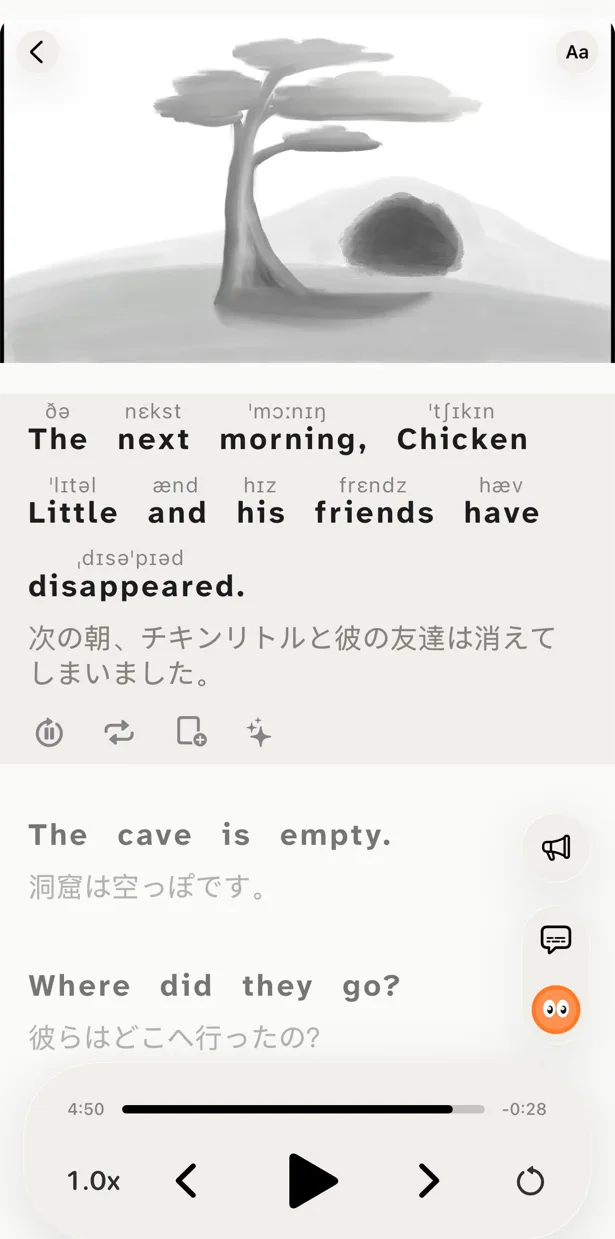
All seven channels are in the PlayLingo catalog, and you can open any other YouTube video too. In Speak mode the video pauses after each line, you say it out loud, and on-device speech recognition lights up the words it hears. You can slow the line down, loop it and listen to yourself — without juggling a player, subtitles and a voice recorder. There are free lines every day.
Common questions
How long should I shadow one video?
Longer than you think. Shadowing the same two or three minutes for several days works better than shadowing a new video every day. Repetition is what moves the rhythm from your ears to your mouth.
Should I shadow with subtitles?
At first, yes. Reading while you repeat helps you catch every word. Then take them away: the real skill is repeating by ear.
Which accent should I choose?
The one you like and hear most. Mixing American and British models in the same month tends to slow you down, so pick one channel from the list and stay with its accent for a while.
Read also
 10 Best Movies to Learn English, by LevelTen movies to learn English from A2 to C1, from Toy Story to The Social Network: what each one teaches and how to study a scene, not a whole film.
 5 Best TV Series to Learn EnglishFive TV series to learn English from B1 to C1 — Friends, Young Sheldon, The Big Bang Theory, Suits and Sherlock — and how to learn from short scenes.
 10 Best English Teachers on YouTubeTen English teachers on YouTube for speaking, pronunciation, grammar and British or American accents — and how to pick the right ones for you.
 Top 10 YouTube Channels for Learning English 2026Top 10 YouTube channels for learning English in 2026, with picks for beginners, listening practice, slang, pronunciation, and real fluency.