
5 Best TV Series to Learn English

Five TV series to learn English from B1 to C1 — Friends, Young Sheldon, The Big Bang Theory, Suits and Sherlock — and how to learn from short scenes.
TV series beat movies for learning English in one important way: repetition. The same characters, the same places and the same kinds of situations come back episode after episode, so the vocabulary keeps returning until it sticks.
Here are five series that work especially well, from easy everyday comedy to fast British drama. All of them have official clips on YouTube and are in the PlayLingo catalog, sorted by CEFR level.
What makes a series good for learning English
We picked series with:
- Everyday situations. Home, work, friends, dates — the conversations you will actually have.
- Short scenes. Sitcoms are made of two- and three-minute scenes that make sense on their own.
- Clear delivery. Actors who speak clearly enough to follow, even when they are fast.
- Lots of episodes. The more episodes, the more the same words come back.
At a glance
- B1: Friends, Young Sheldon
- B2: The Big Bang Theory
- C1: Suits, Sherlock
1. Friends (B1)
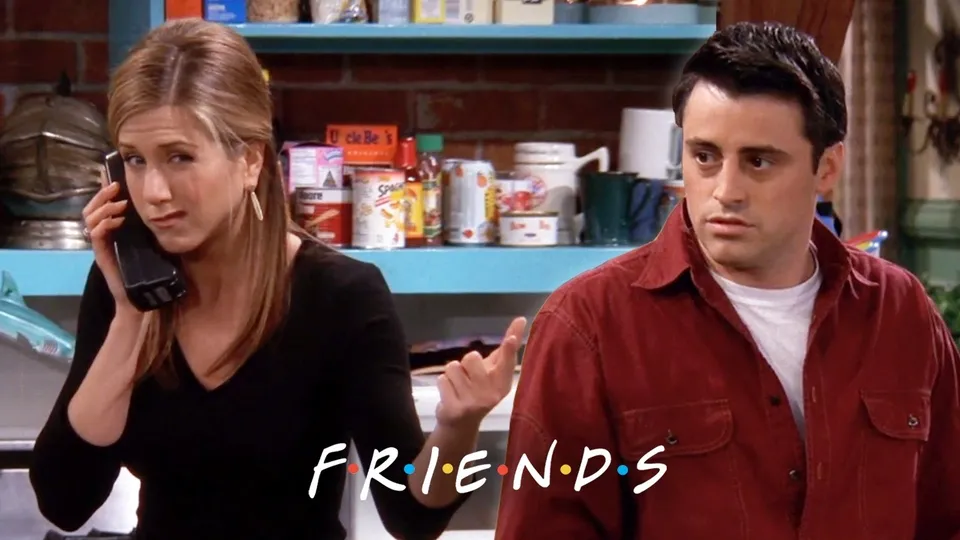
Clip to start with: “Rachel’s Awkward First Attempt at Asking a Guy Out | Friends” · Friends on YouTube
Six friends in New York talking about work, dates and each other — ten seasons of everyday conversation. It is probably the most popular series among English learners, and for good reason: short scenes, clear delivery and a laugh track that tells you where the joke is.
How to study it: pick one short scene and learn its best lines by heart. Friends is full of phrases people still use every day: “We were on a break!”, “How you doin’?”, “Could this BE any more…?”
2. Young Sheldon (B1)
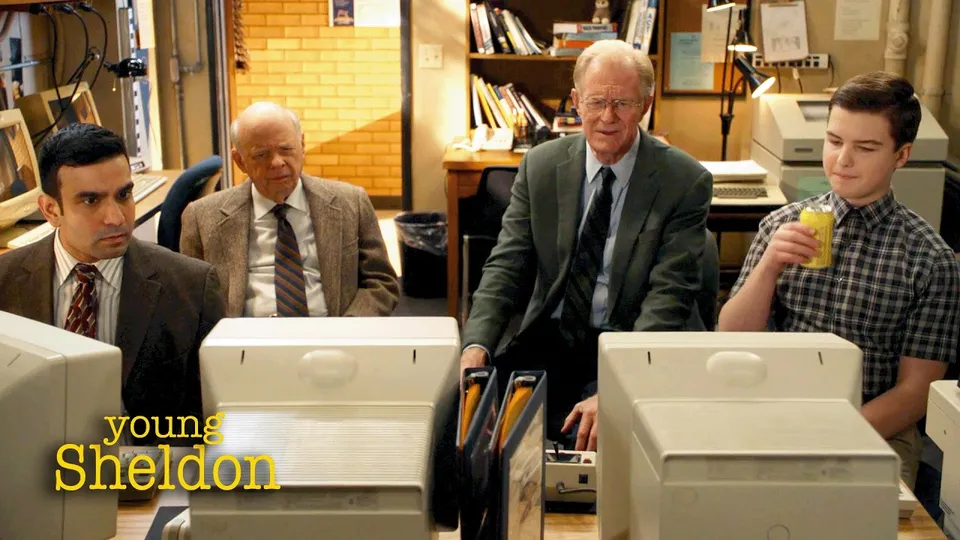
Clip to start with: “Sheldon Fires His Academic Mentors | Young Sheldon” · Young Sheldon on YouTube
The childhood of Sheldon Cooper from The Big Bang Theory, growing up with his family in Texas. Family scenes, school, church — clear delivery and mild vocabulary, plus narration by the adult Sheldon that explains what is going on.
How to study it: use the narration as listening practice: it is calm, clear and ties each scene together. Then compare it with how the family talks — the Texas speech is a nice contrast.
3. The Big Bang Theory (B2)

Clip to start with: “Penny Connects with Leonard's Mom | The Big Bang Theory” · The Big Bang Theory on YouTube
Four scientists and their neighbour Penny. The jokes come fast and use science words, but underneath the conversations are very ordinary: roommates, dates, friends, work.
How to study it: do not worry about the physics. Focus on Penny’s lines and the everyday arguments — that is where the useful English is.
4. Suits (C1)

Clip to start with: “She Was His Donna | Suits” · Suits Official on YouTube
Lawyers at a New York firm trading sharp comebacks. Fast dialogue, legal and business vocabulary, very little pause between lines — excellent for advanced listening and professional English.
How to study it: take one negotiation or argument scene and study it line by line. Write down the phrases for persuading, refusing and making a point.
5. Sherlock (C1)
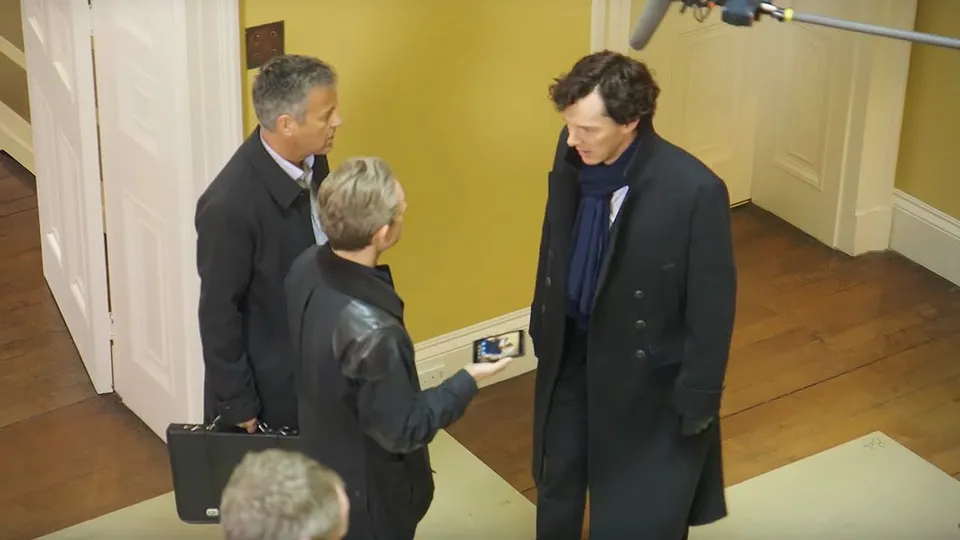
Clip to start with: “Sherlock and Watson's Friendship | Sherlock” · Sherlock on YouTube
The BBC’s modern Sherlock Holmes: rapid British English and dense vocabulary. Sherlock’s deductions are some of the fastest speech on TV — and a great accent to copy if you like British English.
How to study it: watch a scene with English subtitles first, then without. Try shadowing Watson rather than Sherlock — his speech is slower and more everyday.
How to learn English from a TV series
A routine that works with any of these shows:
- Watch a short clip for the story. Use bilingual subtitles if you need them.
- Rewatch with English subtitles. Pause on lines you do not get and look them up.
- Save the phrases you like. Real reactions and set phrases are worth more than single words.
- Say the lines out loud. Copy the timing and the intonation of the actors.
- Stay with one series. The same characters and topics make each new episode easier.
Looking for films instead? See our best movies to learn English, by level.
Watch these series in PlayLingo
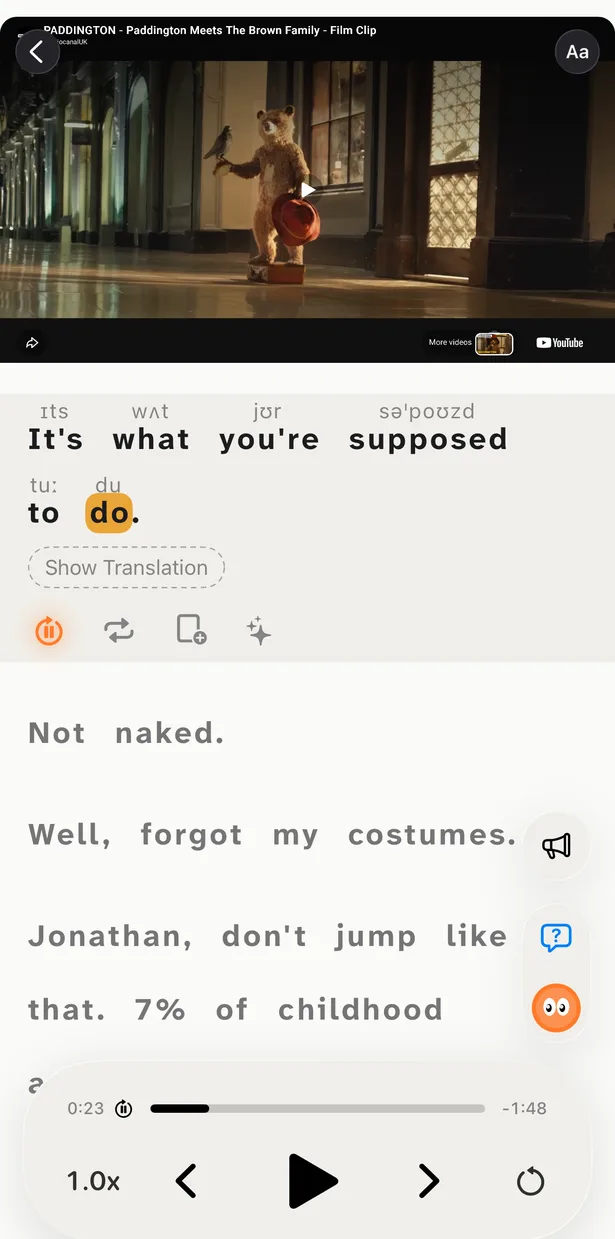
All five series are in the PlayLingo catalog as official clips. You see every line in English with a translation into your language, can hide the translation to test yourself, tap any word for an explanation and save it for review. It is free to start on iPhone, iPad and Mac.
Common questions
Is Friends good for learning English?
Yes. It is one of the best series for intermediate learners: everyday topics, short scenes and clear delivery. Start with clips rather than full episodes.
Which series is best for British English?
Sherlock, for fast and modern British English. If it is too fast, start with Harry Potter scenes or a British YouTube channel first.
Should I watch full episodes or clips?
Clips at first. A three-minute scene you understand completely teaches more than a 22-minute episode you half follow.
Read also
 7 Best YouTube Channels for Shadowing EnglishSeven YouTube channels that work for shadowing English, from A1 to C1: clear speakers, steady pace and real accents, plus a simple routine to shadow them.
 10 Best Movies to Learn English, by LevelTen movies to learn English from A2 to C1, from Toy Story to The Social Network: what each one teaches and how to study a scene, not a whole film.
 10 Best English Teachers on YouTubeTen English teachers on YouTube for speaking, pronunciation, grammar and British or American accents — and how to pick the right ones for you.
 Top 10 YouTube Channels for Learning English 2026Top 10 YouTube channels for learning English in 2026, with picks for beginners, listening practice, slang, pronunciation, and real fluency.