
Top 10 YouTube Channels for Learning English 2026

Top 10 YouTube channels for learning English in 2026, with picks for beginners, listening practice, slang, pronunciation, and real fluency.
A lot of English learners do not quit because they lack motivation. They quit because their study routine feels like a waiting room. If you are searching for the top 10 YouTube channels for learning English in 2026, the real question is not just which channels are popular. It is which ones help you keep showing up long enough to actually understand real spoken English.
That is the standard we used here. Not just clean whiteboards and grammar explanations, but channels that help you build listening range, vocabulary in context, and a feel for how English sounds outside a textbook. Some are teacher-led. Some lean into stories or everyday speech. A few are best for structure, while others shine when you want learning that does not feel like homework.
How we picked the top 10 YouTube channels for learning English in 2026
A good English channel does at least one of three things very well. It explains clearly, exposes you to natural speech, or gives you enough repetition that patterns start to stick. The best channels combine all three.
We also looked at a trade-off many learners miss. A channel can be excellent and still not be right for you. Fast native content is great for immersion, but it can crush your confidence if you are still building basic listening. On the other hand, slow classroom-style teaching can help at first, then become too controlled if your goal is real-world fluency. The sweet spot depends on your level and how you study.
1. BBC Learning English
BBC Learning English remains one of the safest recommendations in 2026 because it is balanced. The videos are short, polished, and easy to follow, with strong coverage of grammar, vocabulary, pronunciation, and current expressions.
What makes it last beyond the beginner phase is consistency. The pacing is friendly without sounding childish, and the presenters usually model clear but natural English. If you want a channel that feels reliable and organized, this is a strong home base.
The limitation is that it can feel a little tidy compared with messy real conversation. That is useful early on, but intermediate learners should pair it with more spontaneous content.
2. English with Lucy
English with Lucy is still one of the most approachable channels for learners who want polished lessons with personality. Her videos are especially strong for British pronunciation, vocabulary, and common mistakes.
This channel works well for learners who like structure but do not want a dry classroom vibe. Lucy explains things in a way that feels modern and clear, which matters when you are tired of overcomplicated grammar talk. If you want confidence and clarity, this channel delivers.
Just keep in mind that the production style is very guided. It teaches well, but it is not the same as handling fast, unpredictable English in the wild.
3. Learn English with TV Series
If your brain wakes up when lessons come through scenes you actually want to watch, this channel is a smart pick. Learn English with TV Series uses clips from shows and movies to teach pronunciation, expressions, connected speech, and listening habits.
This format is powerful because it trains your ear on rhythm, emotion, and real phrasing. You are not just learning what a phrase means. You are learning when people say it, how they stress it, and what it sounds like at native speed.
It can be challenging for lower-level learners, though. If you freeze when speech gets fast, start with one short clip at a time and repeat it until the sound stops feeling blurry.
4. Speak English With Vanessa
Vanessa is especially good for American English learners who want a warm, practical teacher. Her videos focus on everyday phrases, speaking confidence, pronunciation, and useful grammar without making every lesson feel heavy.
This channel is a good fit if you want English for life, not just for tests. The explanations are clear, and the tone feels encouraging rather than strict. For many learners, that emotional side matters more than they expect. If a channel makes you feel comfortable enough to keep going, that is a real advantage.
5. Rachel's English
For pronunciation, Rachel's English is still one of the best specialized channels available. She breaks down mouth position, stress patterns, linking, and the music of American English with unusual precision.
This is the channel to use when people understand your grammar but still ask you to repeat yourself. It helps you hear details most learners miss, especially reduced sounds and rhythm.
The trade-off is obvious. Pronunciation-focused study can be intense. If you use this channel, it works best in short sessions with lots of repetition and shadowing rather than passive watching.
6. English Addict with Mr Duncan
Mr Duncan has been around for years, and in 2026 that experience still shows. His teaching style is energetic, slightly quirky, and very human. He covers vocabulary, expressions, pronunciation, and cultural details in a way that feels personal.
This channel is a reminder that learning does not need to sound corporate to be effective. If you like a bit of character in your lessons, Mr Duncan gives you that. He is especially good for learners who get bored by overly polished educational content.
7. Easy English
Easy English is one of the most useful channels for bridging the gap between learner content and real street-level listening. Many videos feature interviews with everyday people, which means you hear different accents, speaking styles, and levels of clarity.
That variety is exactly why it works. Real English is not one perfect teacher speaking into a camera. It is hesitation, slang, speed changes, and unexpected phrasing. Channels like this prepare you for actual conversations.
If you are a beginner, some episodes may feel tough. But that difficulty is productive if you use subtitles, replay short segments, and focus on catching key phrases instead of every word.
8. mmmEnglish
mmmEnglish is especially strong for intermediate learners who want practical, well-structured lessons. Emma explains grammar, pronunciation, and usage with a very clear teaching style, and she is good at turning confusing topics into something manageable.
The channel has a calm, focused energy that works well if you want to study seriously without feeling overwhelmed. It is less flashy than some creator-led channels, but that is part of its value. It gets to the point.
9. EnglishClass101
EnglishClass101 has breadth. There is a huge range of content, from beginner basics to listening and phrase practice, which makes it useful for learners who want one channel with a lot to explore.
Its biggest advantage is volume. If you need repeated exposure and many entry points, you will find them here. The downside is that quality and style can vary across videos, so it helps to be selective rather than watching everything in order.
10. TED-Ed
TED-Ed is not an English-learning channel in the traditional sense, and that is exactly why it belongs on this list. Once you are past the basics, you need content that teaches you through interesting ideas, not just language labels.
TED-Ed videos are excellent for upper-intermediate learners who want to build listening comprehension with animated, idea-driven content. The language is often clear but intellectually richer than standard lesson videos. That makes it ideal for growing vocabulary in context.
How to choose the right channel for your level
If you are a beginner, start with channels that explain slowly and clearly, like BBC Learning English, English with Lucy, or EnglishClass101. You need input you can actually follow. Struggling through advanced native content too early often feels productive, but it usually turns into noise.
If you are intermediate, this is where things get interesting. You still need explanations, but you also need more contact with natural rhythm and real phrases. Speak English With Vanessa, mmmEnglish, and Learn English with TV Series are strong here because they help you move from understanding lessons to understanding people.
If you are advanced, your problem is often not grammar. It is speed, nuance, slang, and comfort with unpredictability. Easy English and TED-Ed become more valuable at that stage, especially if you want English that lives outside the classroom.
One simple way to get more from these channels
Do not just watch. Work in two passes.
First, watch for meaning. Try to follow the message without stopping every five seconds. Then go back and rewatch a shorter section for language. Notice phrases, pronunciation, and sentence patterns. If you can repeat one or two lines aloud with the same rhythm, that is where the real progress starts.
This is also why many learners now use tools that turn YouTube into a personal classroom instead of a passive scroll. Features like bilingual subtitles, tap-to-translate, saved vocabulary, and an in-player AI buddy can make hard videos usable without breaking the flow. That matters because the best study routine is usually the one that keeps you inside real content a little longer each day.
The best channel in 2026 is not the one with the fanciest thumbnails. It is the one that makes you come back tomorrow, hear a little more than you heard today, and slowly realize English no longer sounds like one long blur.
Read also
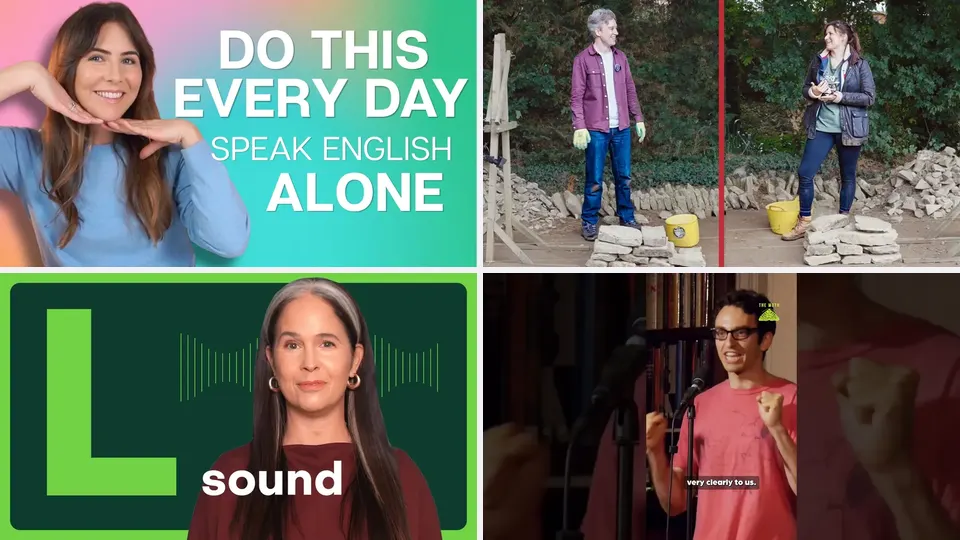 7 Best YouTube Channels for Shadowing EnglishSeven YouTube channels that work for shadowing English, from A1 to C1: clear speakers, steady pace and real accents, plus a simple routine to shadow them.
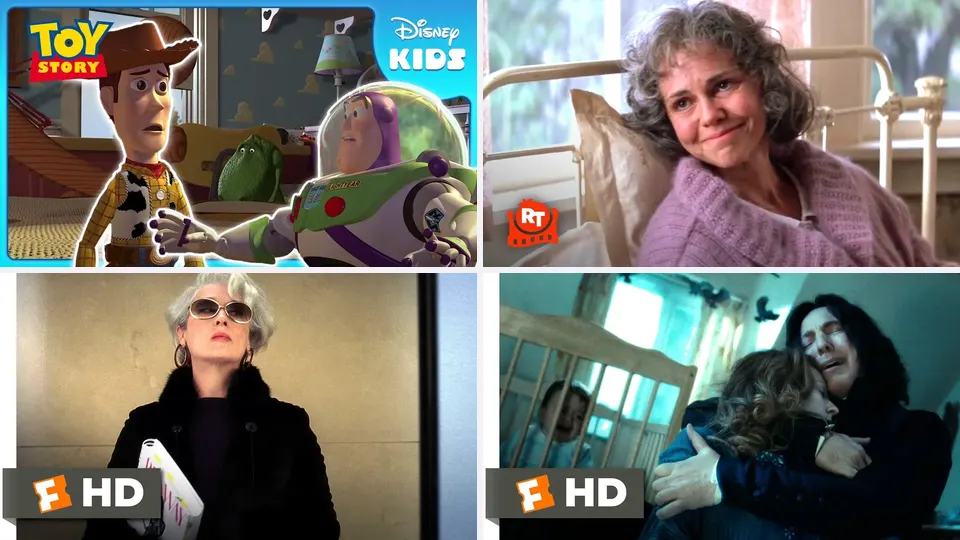 10 Best Movies to Learn English, by LevelTen movies to learn English from A2 to C1, from Toy Story to The Social Network: what each one teaches and how to study a scene, not a whole film.
 5 Best TV Series to Learn EnglishFive TV series to learn English from B1 to C1 — Friends, Young Sheldon, The Big Bang Theory, Suits and Sherlock — and how to learn from short scenes.
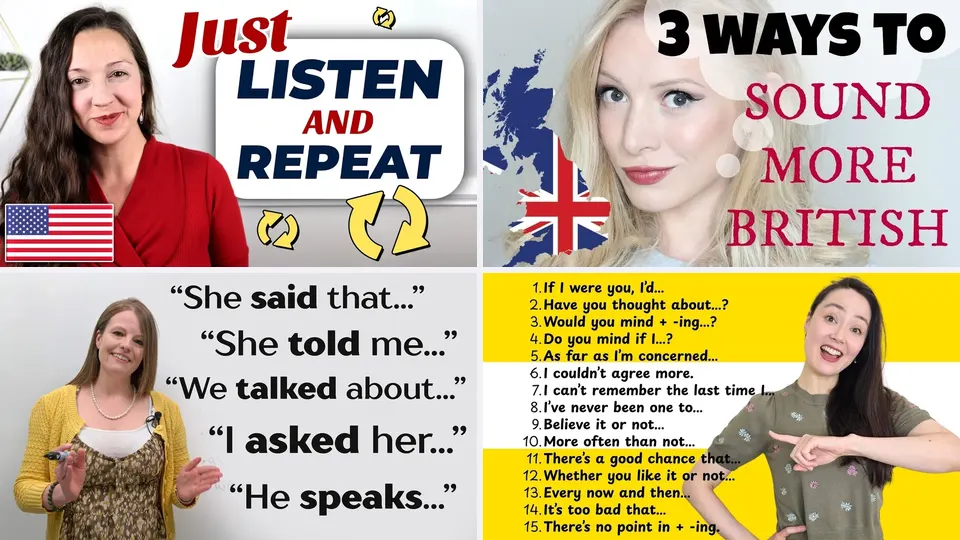 10 Best English Teachers on YouTubeTen English teachers on YouTube for speaking, pronunciation, grammar and British or American accents — and how to pick the right ones for you.