
English Listening Practice on YouTube, by Level

Six YouTube channels for English listening practice, from A1 to C1, with what each shows on screen and a 20-minute routine for training your ear.
Most learners can read far more English than they can follow by ear. You know the words, you would recognise them on a page, and then someone says them at normal speed and they melt into one long sound. That gap closes only one way: by listening a lot, to English that is just a little above your level.
Search YouTube for “English listening practice” and you get thousands of videos with a level in the title. A lot of them are now made with stock photos and synthetic voices, and some put a B2 label on English that a beginner could follow. So in October 2026 we opened the channels one by one and kept only those where real people do the talking. For each one we noted the level, how long the videos are, and whether the words appear on screen.
At a glance
- A1-A2: Listening Time, Miss Honey
- B1: VOA Learning English
- B1-B2: High Level Listening
- B2-C1: Smashing English
- C1: Luke’s English Podcast
1. Listening Time: short talks, labelled A1, A2 and B1 (A1-A2)
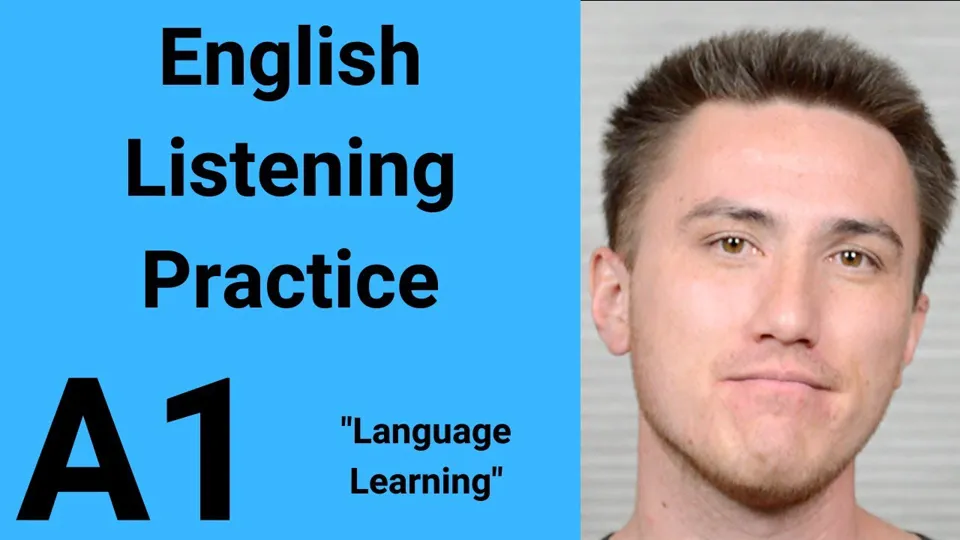
Start with: “A1 English Listening Practice - Language Learning” · Listening Time on YouTube
One host talks straight to the camera about a single topic: learning a language, camping, travelling with kids, his international family. Most titles start with the level, A1, A2 or B1, so you know what you are getting before you press play. Everything he says is printed at the bottom of the screen, which makes these videos a good bridge between reading and listening.
The A1 video on language learning is only three minutes long and has been watched more than 12 million times. When it feels easy, try the A2 talk “Good English Learners”. It runs 16 minutes and was filmed outdoors, so you get a little more natural sound around the voice.
2. Miss Honey: the same story told slowly, then at natural speed (A1-A2)
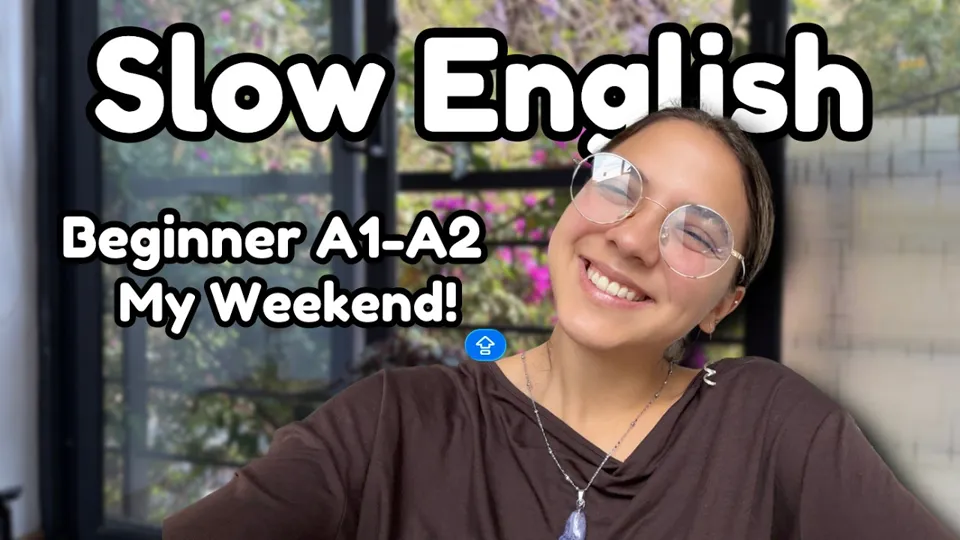
Start with: “English Listening Practice for Beginners: My Weekend! (A1-A2)” · Miss Honey on YouTube
Miss Honey talks about her own life: her weekend, her morning routine, the phrases she needs at an airport. The format of “My Weekend!” is the reason she is on this list. For about ten minutes she tells the story slowly, and then she tells it again at the speed she would use with a friend. You hear the same sentences twice, so you notice exactly what happens to them when they speed up.
There is no text on screen, but the channel adds its own English subtitles. Watch the slow part with subtitles on, then try the natural-speed part without them.
3. VOA Learning English: news read slowly, with the text on screen (B1)
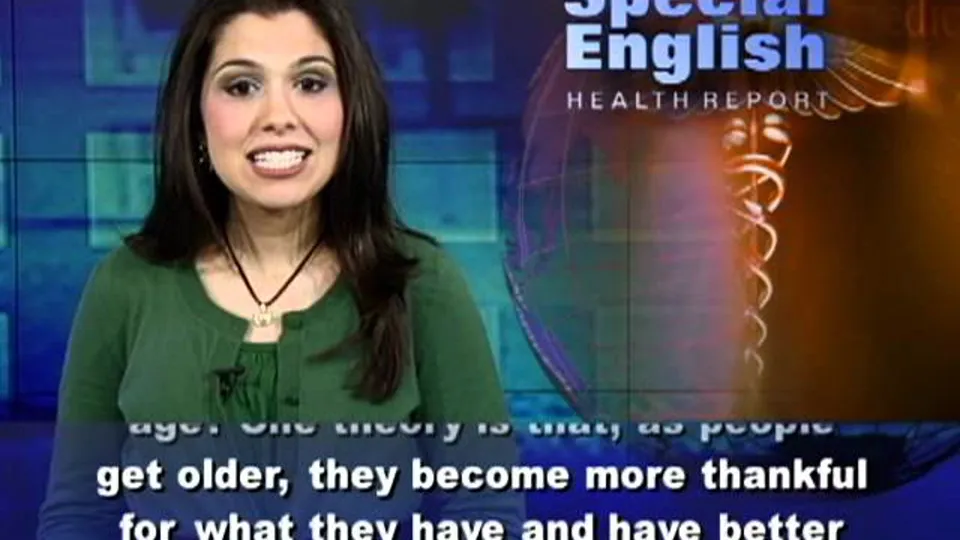
Start with: “What Is the Relationship Between Age and Happiness?” · VOA Learning English on YouTube
Voice of America made news in slow, simple English for learners, and its YouTube channel holds years of it, including old reports from the days when the service was called Special English. The short reports last two to four minutes. A presenter reads a story about health, science or education at a calm pace, and the full text runs in large letters across the bottom of the screen. The channel also has half-hour “Learning English Podcast” shows where two hosts introduce several stories.
Two things to know. The channel has not posted a new video since April 2025, so treat it as an archive rather than a news source. And the videos have no YouTube subtitles, which doesn’t matter much here because the text is already in the picture.
4. High Level Listening: two teachers, two accents, one real conversation (B1-B2)
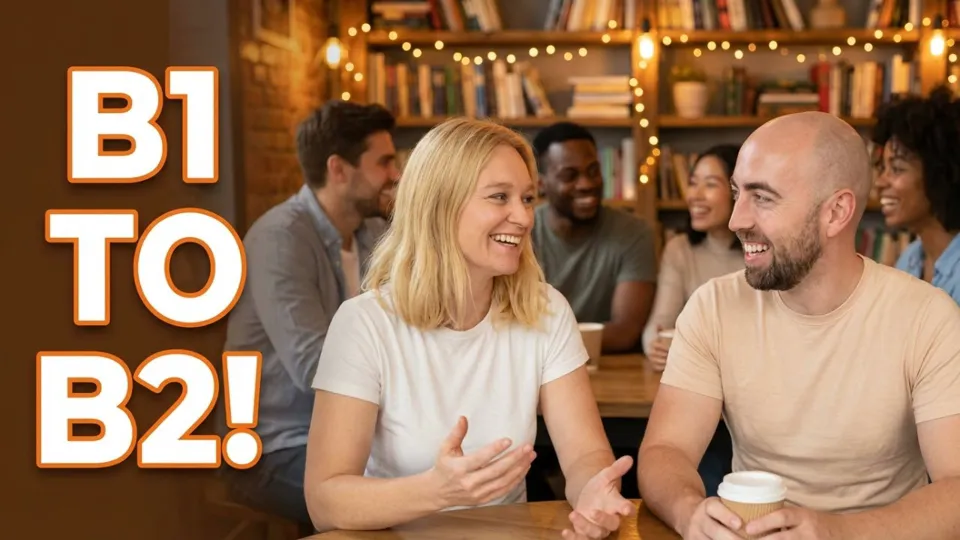
Start with: “From B1 to B2 English Listening Practice: Deeper Conversations” · High Level Listening on YouTube
This is the step from learner English to a real conversation. Kat speaks American English and Mark speaks British English, and they talk over a video call about things people actually argue about: screen time, social media, working from home, attention span. The channel describes it as real, natural English at B2 level rather than textbook English.
The episodes run about 20-25 minutes and most titles say B2 or B2-C1. The one we picked is the gentlest entry, made for people moving from B1 to B2. A small caption on screen shows what is being said.
5. Smashing English: two native speakers at full speed (B2-C1)
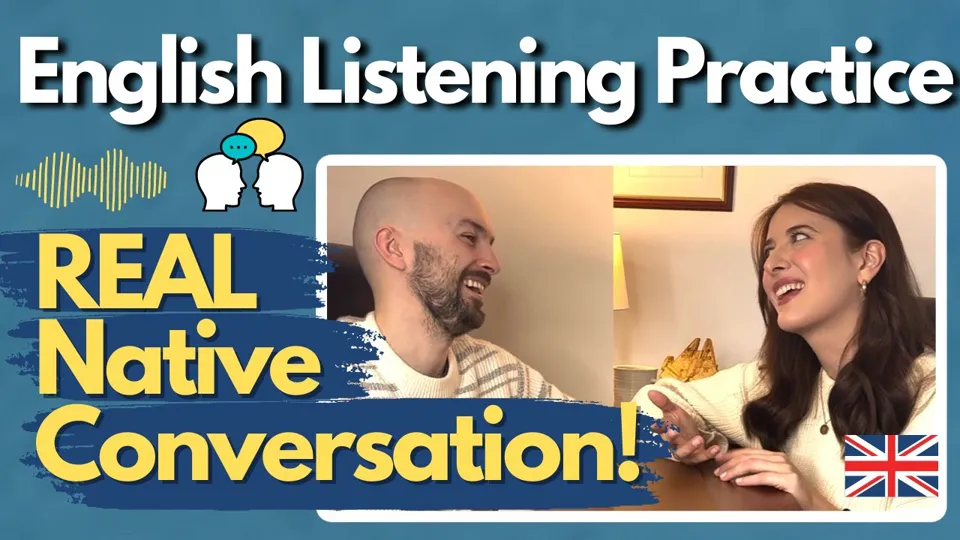
Start with: “English Listening Practice #1 - Real Native Conversation (B2-C1)” · Smashing English on YouTube
Two native speakers sit at a table with a microphone and chat for about half an hour, at the speed they would use with each other. That is hard, and the channel knows it, so it helps in a clever way: when a useful word or phrase comes up, it appears at the top of the screen with a short explanation, like “meals out: meals eaten in restaurants”. You follow the talk and collect vocabulary at the same time.
The conversations are numbered and collected in two playlists, Listening Practice Season 1 and Season 2. The first episode has more than 1.5 million views and is the natural place to begin. The channel adds its own English subtitles.
6. Luke’s English Podcast: long episodes for advanced ears (C1)
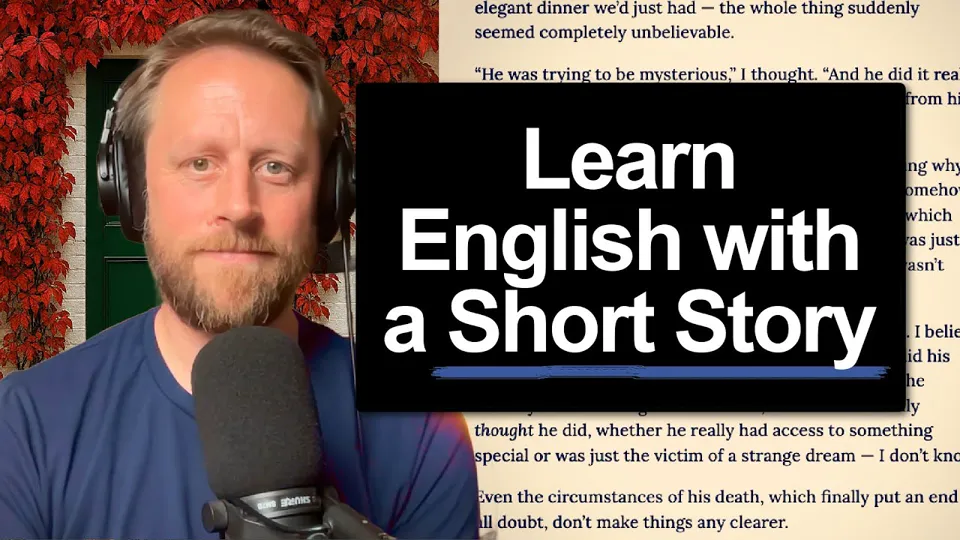
Start with: “The Door in the Wall (Learn English with a Short Story)” · Luke’s English Podcast on YouTube
Luke is an English teacher who has been making his podcast for a very long time; the episode we chose is number 962. Episodes often last two hours or more, and that length is the training. Following one person for an hour, through tangents and long rambles, is what listening to English feels like once you leave the classroom.
“The Door in the Wall” is a good first one because it has a clear shape. Luke reads a short story for about half an hour, then retells it with the summary on a slide next to him, asks discussion questions, talks about what it means and goes through the vocabulary. A PDF of the episode is linked in the description. If two hours is too much, stop after the story and come back for the rest another day.
How to practise listening in 20 minutes
Leaving a video on in the background feels like practice, but most of it slips by. Work with one short piece instead:
- Pick five minutes, not fifty. Choose a video at your level and cut out a short section. You should catch the general idea on the first try.
- First listen: no text. Hide the subtitles and just try to follow. Note what you think was said.
- Second listen: with text. Turn the subtitles on, or read the text on screen. Find the places where what you heard and what was said are different.
- Replay the hard lines. Go back to each sentence you missed and play it three or four times. Slow it down if you need to. Most of the time the problem is not a new word but a familiar one said fast.
- Last listen: no text again. Play the whole section once more without help. It will sound much clearer than it did twenty minutes ago.
Then move up when you are ready. If you understand almost everything on the first listen, the level is too easy. If you are lost after a minute, go one step down. For more on the three-pass method, see our guide to listening practice on iPhone, and if you prefer stories, try these English audiobook channels by level.
Practise listening in PlayLingo
Every channel above works in PlayLingo, along with any other YouTube video you paste in. The app splits the video into lines and shows each one under the picture with a translation into your language. If a word or a phrase stops you, tap it and Lingo explains what it means in that sentence. Save it and it comes back for review later, together with the moment in the video where you heard it.
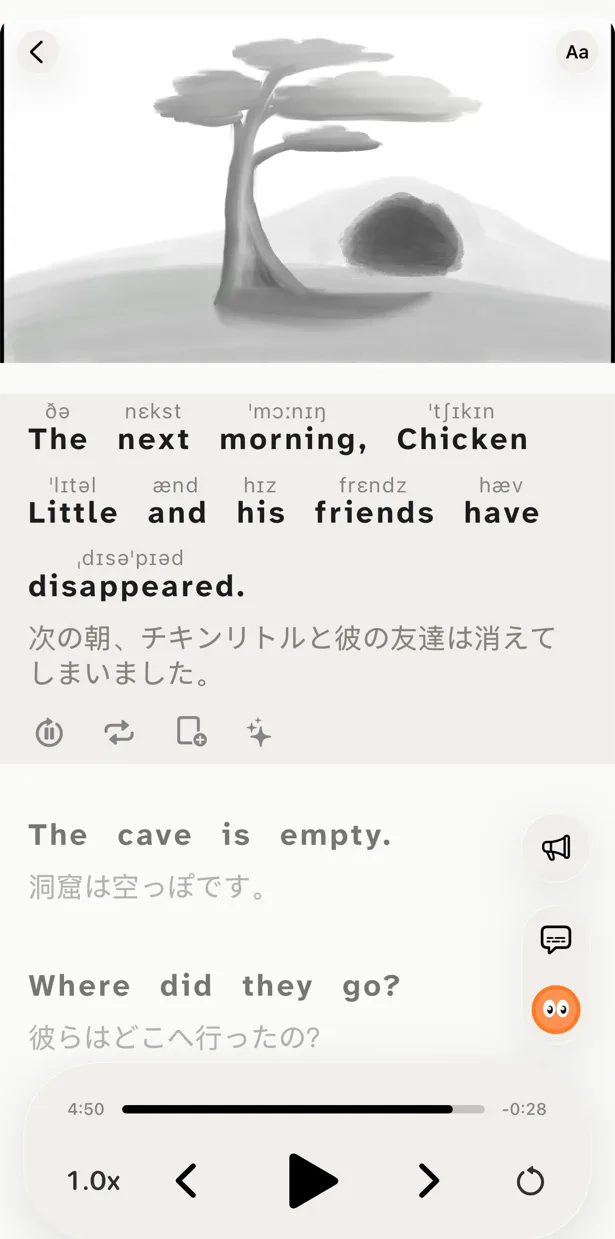
Listen mode is made for the routine above. The text is hidden, the video pauses after every line, and you can reveal a sentence word by word when you get stuck. You can also slow a video down or repeat one line as many times as you like. PlayLingo works on iPhone, iPad, Mac and Android, and it is free to start, with a daily portion of practice. There is also a catalog of videos sorted by level if you want to learn English with YouTube without searching yourself.
Common questions
How can I practise English listening for free?
Everything in this list is free on YouTube. Pick one channel at your level, take a short section, and listen to it several times: once without text, once with text, then once more without. Ten minutes like that every day does more than an hour of background listening.
What is the best English listening practice for beginners?
Short videos where you can see the words. Listening Time prints what the host says on screen, and Miss Honey’s “My Weekend!” is told slowly first and then at normal speed. Start there, and switch the text off as soon as you can follow without it.
How do I go from B1 to B2 listening?
Move from scripted English to real conversation. Learner news like VOA is clear and slow, but people don’t talk like that. High Level Listening and Smashing English let you hear natural conversation with help on screen, and that is where most of the progress from B1 to B2 happens.
Should I listen with subtitles or without?
Both, in turns. Without subtitles you train your ear; with them you find out what you missed. The order that works best is without, with, and without again.
Read also
 8 English Audiobook Channels on YouTube, by LevelEight YouTube channels where English books and stories are read aloud, most with the text on screen, sorted from A1 to C1, plus a way to study with them.
 7 Best YouTube Channels for Shadowing EnglishSeven YouTube channels that work for shadowing English, from A1 to C1: clear speakers, steady pace and real accents, plus a simple routine to shadow them.
 10 Best Movies to Learn English, by LevelTen movies to learn English from A2 to C1, from Toy Story to The Social Network: what each one teaches and how to study a scene, not a whole film.
 5 Best TV Series to Learn EnglishFive TV series to learn English from B1 to C1 — Friends, Young Sheldon, The Big Bang Theory, Suits and Sherlock — and how to learn from short scenes.
 10 Best English Teachers on YouTubeTen English teachers on YouTube for speaking, pronunciation, grammar and British or American accents — and how to pick the right ones for you.
 Top 10 YouTube Channels for Learning English 2026Top 10 YouTube channels for learning English in 2026, with picks for beginners, listening practice, slang, pronunciation, and real fluency.