Learn Russian with YouTube.
Free to download. iPhone, iPad and Mac.
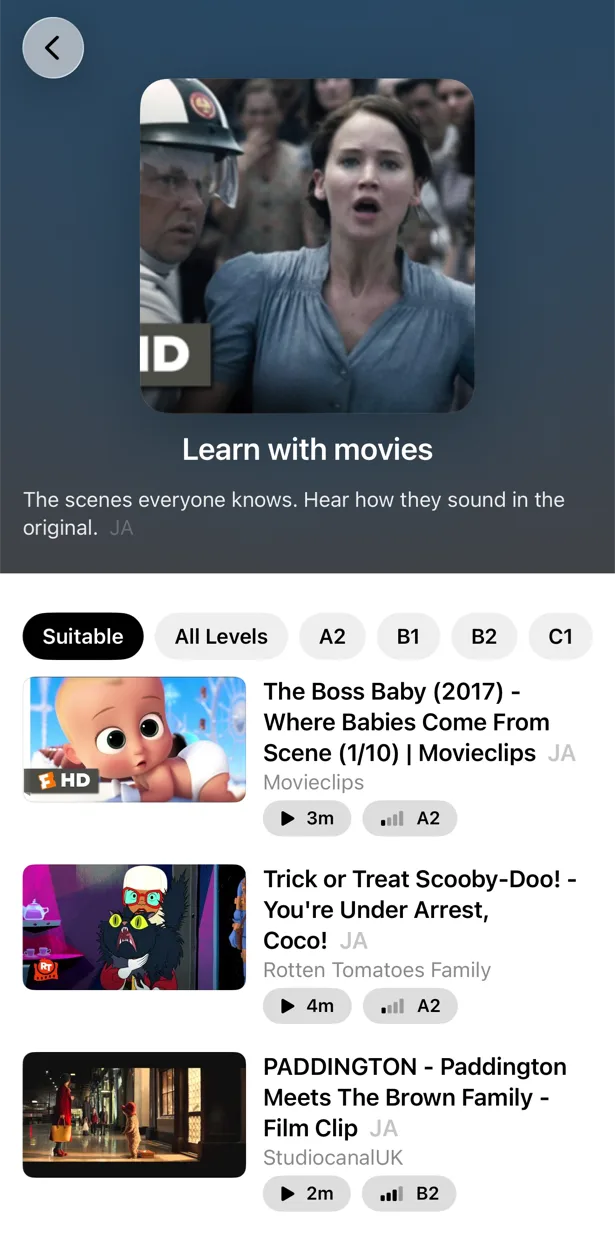
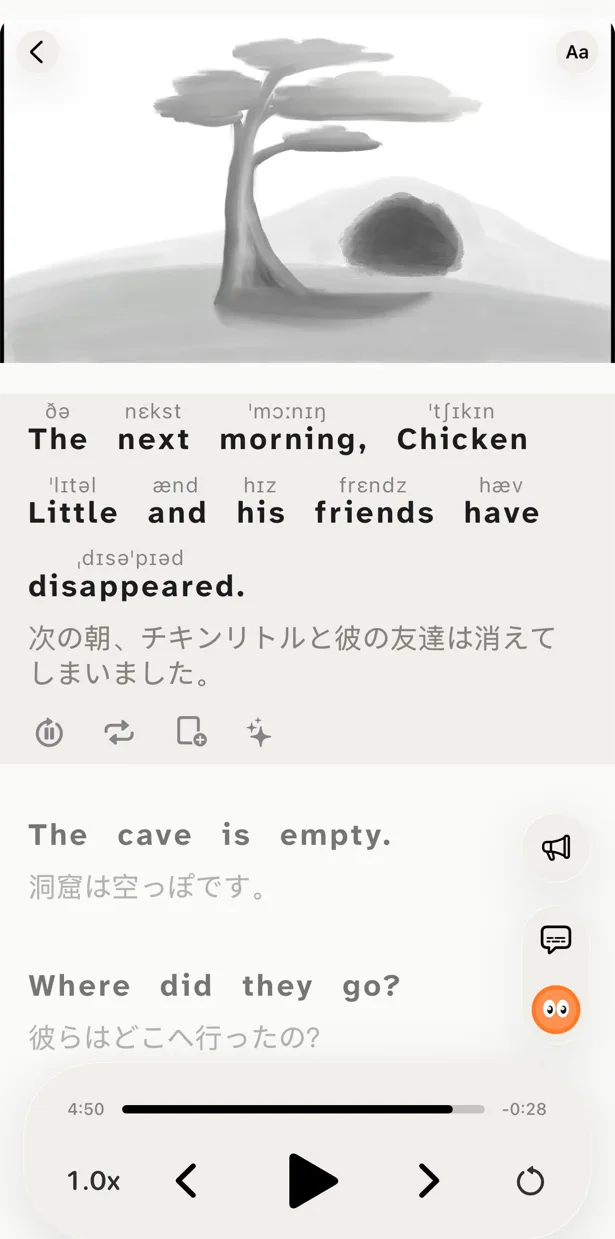
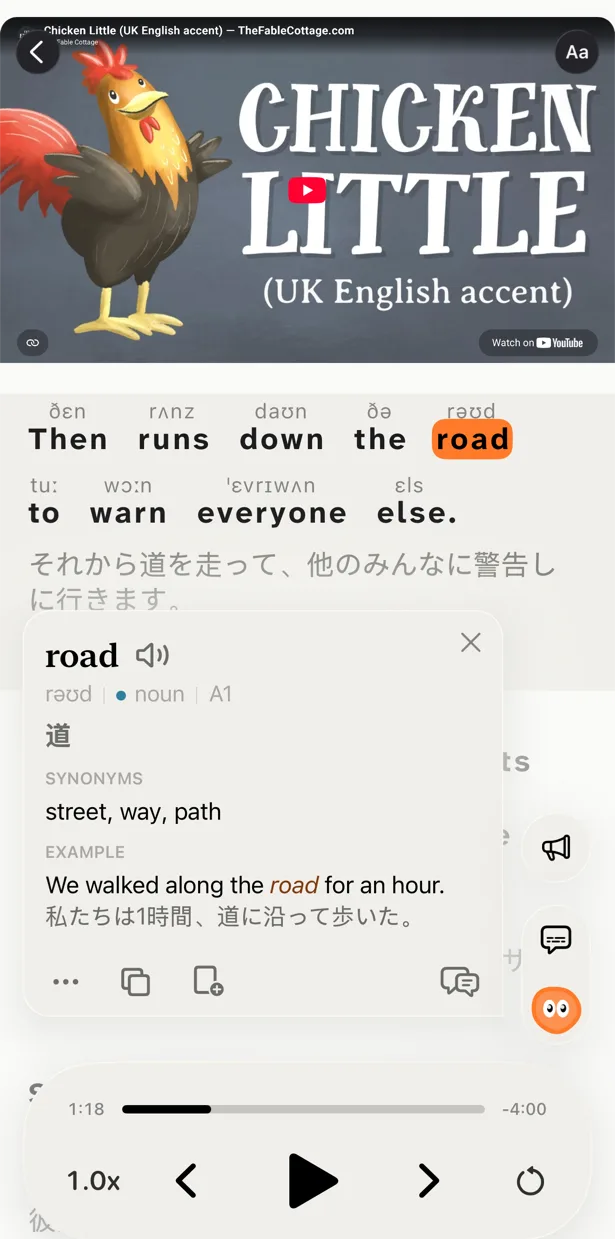
Russian is one of the most rewarding languages to learn through real video. With PlayLingo's bilingual subtitles and AI buddy, every YouTube clip becomes comprehensible input — the kind of practice that actually moves the needle.
YouTube has more free Russian content than any classroom. The trick is making it comprehensible — bilingual subtitles, tap-to-translate, and an AI that explains the slang and idioms textbooks skip.
What to watch (and where to find it)
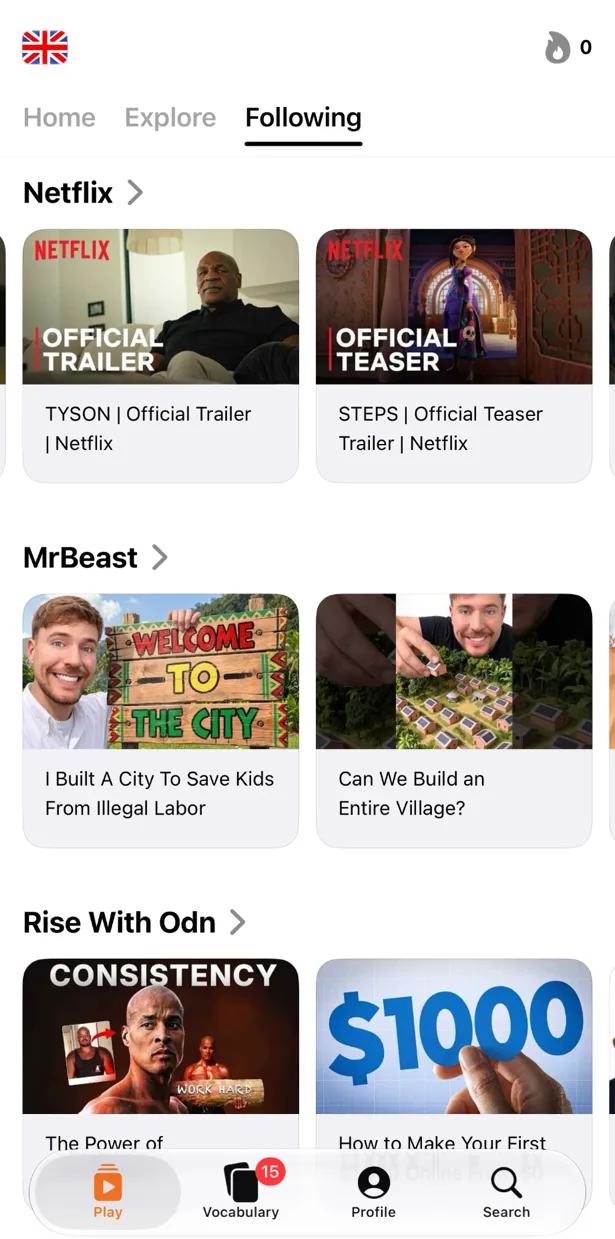
You don't need a curated playlist — you need the right kind of input for your level. Here's what works for Russian:
- Comprehensible-input channels for absolute beginners
- Slow news and podcasts in Russian
- Vlogs and street interviews with native speakers
- Gaming, tech and science channels
- Stand-up, comedy and talk shows
- Movie reviews, food, travel — pick what you'd watch anyway
How to actually use YouTube to learn
- 1.Pick content slightly above your level.
Krashen calls this i+1 — input where you understand most words but a few are new. Too easy = no growth. Too hard = no comprehension.
- 2.Turn on bilingual subtitles.
With PlayLingo, every Russian video gets Russian + your-language subtitles. Read along. Tap whatever stops you.
- 3.Don't pause to translate every word.
Let context fill gaps. Pause for words that repeat or seem pivotal. The brain absorbs more from flow than from perfect comprehension.
- 4.Ask Lingo for the cultural stuff.
Slang, idioms, jokes that don't translate, local references — the things textbooks skip and Lingo nails.
- 5.Watch every day. Even 20 minutes.
Consistency beats intensity. 30 minutes a day for 6 months beats a weekend marathon every month. Your brain consolidates input during sleep.
How to pick Russian content at your level
The most common mistake is starting too hard. If you understand less than 70% of what's being said, your brain spends so much energy decoding that it can't absorb. Drop down a level. Boring is fine — boring works.
- A1–A2Stick to comprehensible-input channels. Slow speech, visual context, repetition.
- B1–B2Mix street interviews, vlogs and educational content. This is where you break the textbook plateau.
- C1+Native content with no compromise — top creators, news, podcasts, fiction.
Not sure where you are? Read what each CEFR level means.
Open any Russian video in PlayLingo.
Paste a YouTube link, get bilingual subtitles, tap any word, ask Lingo anything. Russian, naturally.
Download free