
01
Easy German
A2–B1The flagship channel for spoken German immersion. Street interviews + bilingual subtitles.
WhyReal Germans on real streets, with English subs built in. Use PlayLingo to dig deeper into individual words.
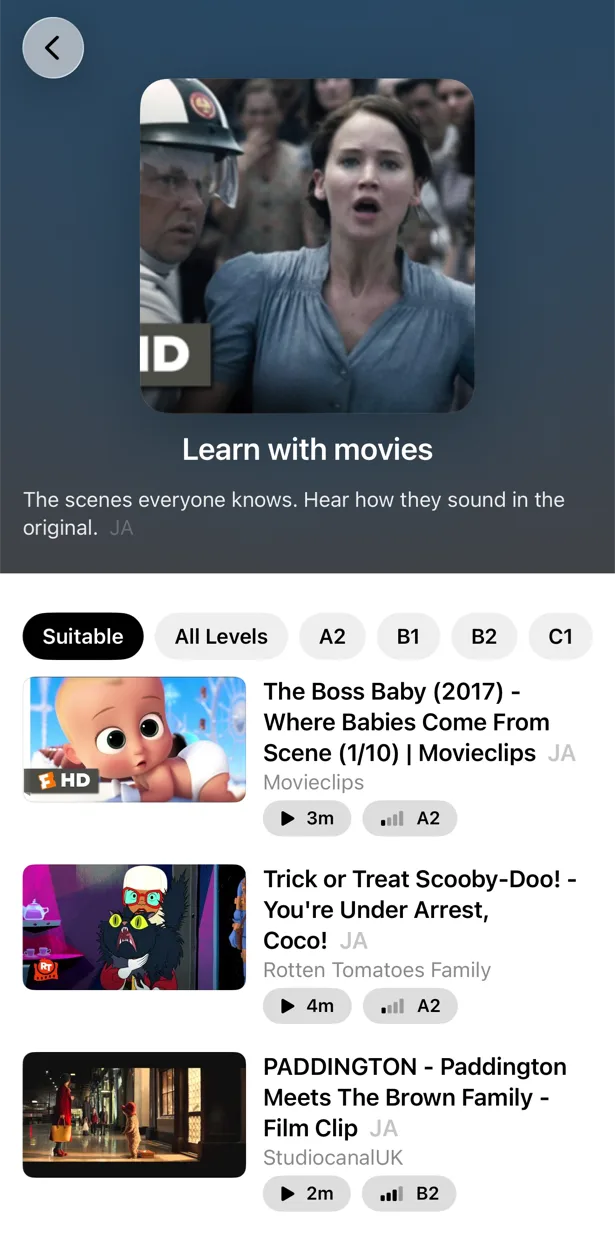
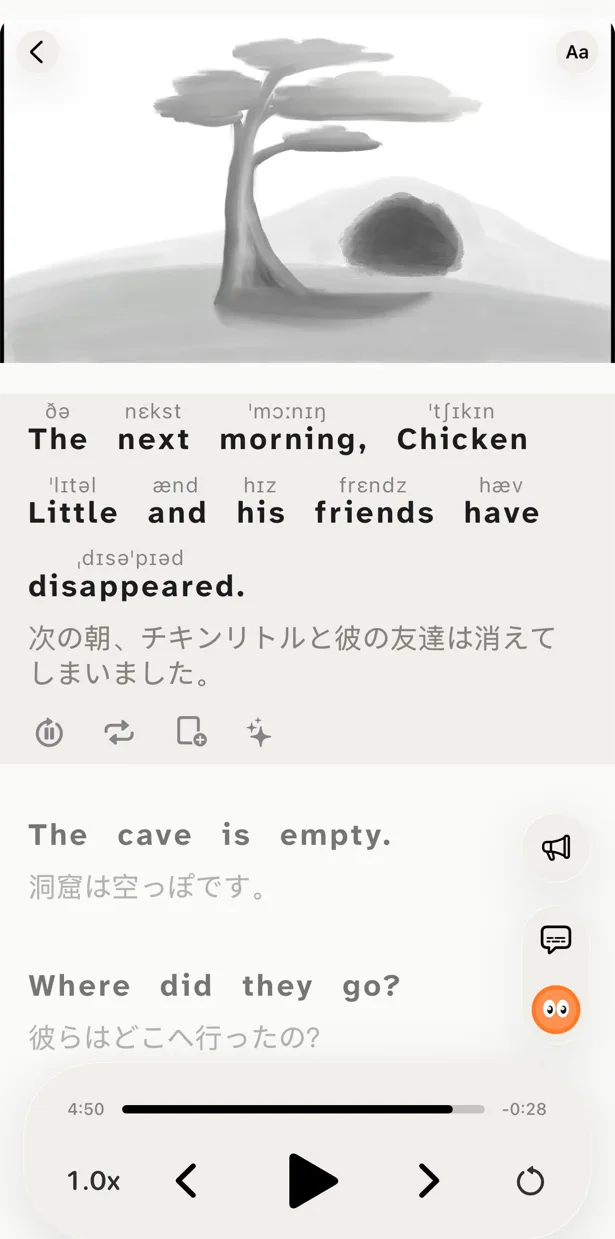
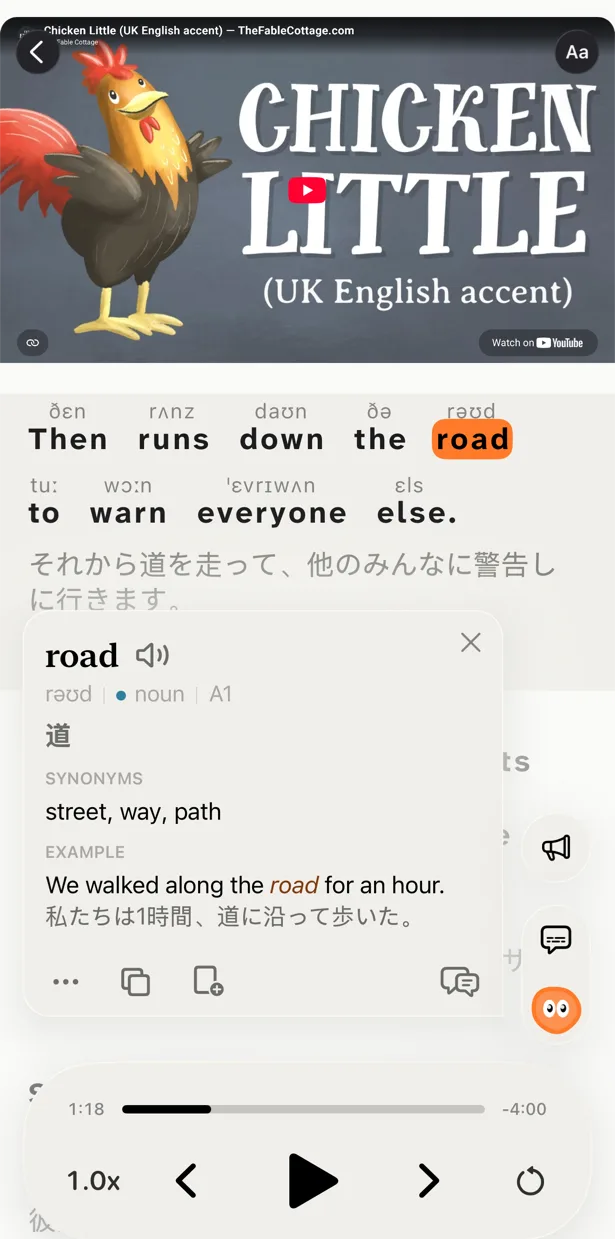
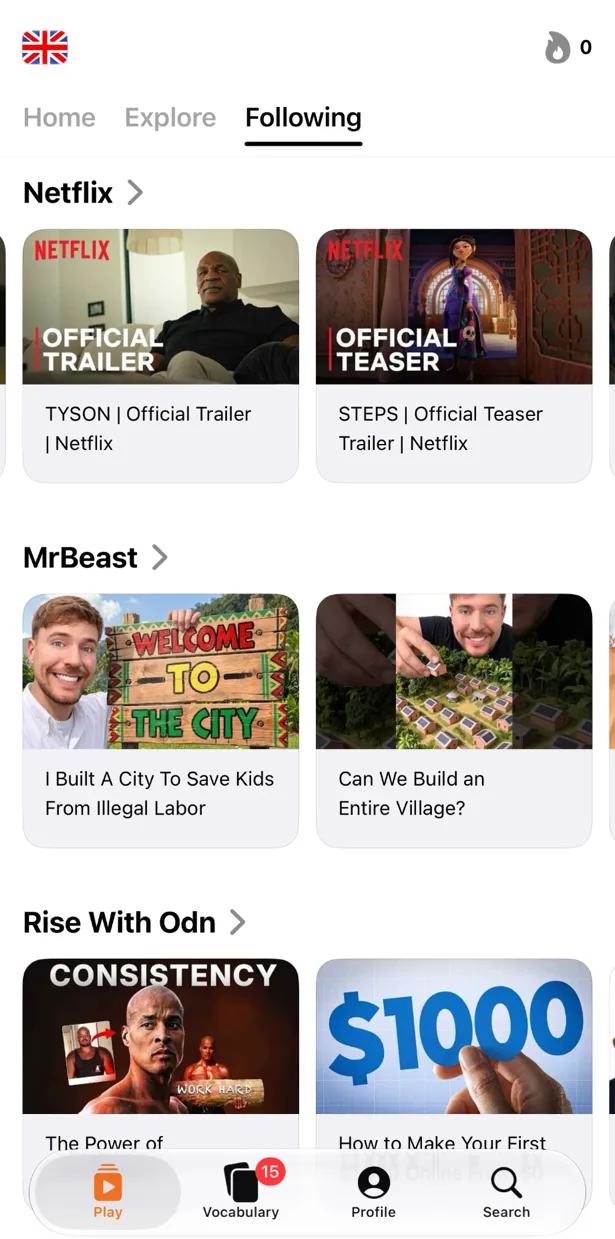
Free to download. iPhone, iPad and Mac.
German is one of the most rewarding languages to learn through real video. With PlayLingo's bilingual subtitles and AI buddy, every YouTube clip becomes comprehensible input — the kind of practice that actually moves the needle.
YouTube has more free German content than any classroom. The trick is making it comprehensible — bilingual subtitles, tap-to-translate, and an AI that explains the slang and idioms textbooks skip.
You don't need a curated playlist — you need the right kind of input for your level. Here's what works for German:
The flagship channel for spoken German immersion. Street interviews + bilingual subtitles.
WhyReal Germans on real streets, with English subs built in. Use PlayLingo to dig deeper into individual words.
Marija (Croatian heritage, native German speaker) teaches German clearly and energetically.
WhyBeginner-friendly, with great pacing and clear pronunciation. Marija's enthusiasm is contagious.
Meister Lehnsherr (Dominic) explains German culture, slang and quirks in English-then-German.
WhyBridges English and German worlds. Great early-stage motivation booster.
Anja's lively, expressive lessons cover daily-life German.
WhyLots of vocabulary in context. Anja repeats and reinforces — ideal for memory consolidation.
Slow news in clear German for learners — plus advanced documentaries.
WhyOfficial-quality German news. As you level up, switch from slow to standard. Excellent vocabulary for B1+ learners.
Structured German lessons in podcast form on YouTube.
WhySlow build-up of grammar and vocabulary, in bite-sized episodes.
Krashen calls this i+1 — input where you understand most words but a few are new. Too easy = no growth. Too hard = no comprehension.
With PlayLingo, every German video gets German + your-language subtitles. Read along. Tap whatever stops you.
Let context fill gaps. Pause for words that repeat or seem pivotal. The brain absorbs more from flow than from perfect comprehension.
Slang, idioms, jokes that don't translate, local references — the things textbooks skip and Lingo nails.
Consistency beats intensity. 30 minutes a day for 6 months beats a weekend marathon every month. Your brain consolidates input during sleep.
The most common mistake is starting too hard. If you understand less than 70% of what's being said, your brain spends so much energy decoding that it can't absorb. Drop down a level. Boring is fine — boring works.
Not sure where you are? Read what each CEFR level means.
Paste a YouTube link, get bilingual subtitles, tap any word, ask Lingo anything. German, naturally.
Download free